
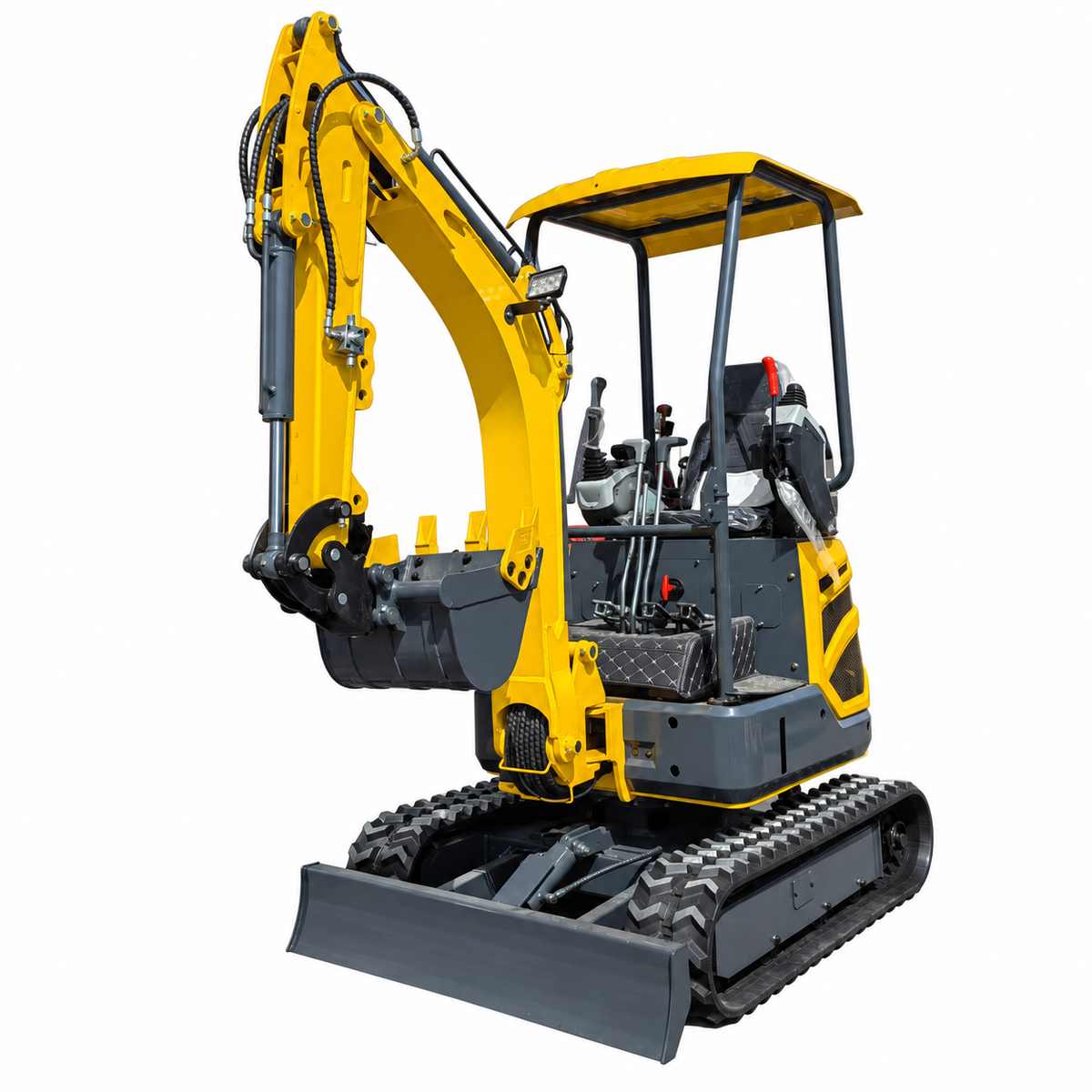
In diesem Leitfaden
A bigger bucket can move more material in a suitable situation, but it can also make a small excavation wider than necessary, be harder to fill in firm soil and leave less room around existing features. The right bucket matches the job, material and excavator. It is not simply the widest attachment that can be fitted.
If you are asking how to choose mini excavator bucket size, start with the shape you need to create. A narrow trench, a planting area and a surface being finished for turf are different tasks. Bucket width, capacity, edge shape, weight and compatibility all affect the result. Choosing from capacity alone leaves out much of what makes a bucket useful.
Start with the hole rather than the bucket
Suppose the job is a short irrigation trench across a garden. A bucket much wider than the required excavation removes extra soil and leaves more to refill. The digging itself may look quick, but the whole job can take longer because more material has to be handled and more surface restored afterward.
Now picture spreading and shaping loose soil across an open planting area. A broader finishing attachment may help cover the surface with fewer separate movements, where the machine and material allow it. The same width that was unhelpful in the narrow trench can be useful in a different part of the garden.
Write down the desired excavation width, depth and finished surface. Explain whether the work is digging, moving loose material or shaping. These details give the supplier or operator something practical to assess. Asking for a “large bucket for faster work” does not describe the actual outcome you need.
Width and capacity answer different questions
Width tells you how broad a cut the bucket is intended to make. Capacity describes a volume according to a stated measurement convention. Two buckets of similar width may have different shapes and capacities. Likewise, two buckets with similar capacity may differ in how they enter the ground and release material.
The figure on a product page should therefore be read alongside the bucket’s intended purpose. A capacity number does not establish the actual amount of sticky clay, loose topsoil or mixed rubble carried on every cycle. How completely the bucket fills and empties affects the useful amount moved.
The site’s T18 Mini Excavator page lists a bucket capacity for the published configuration. Treat that as information about the offered machine and bucket, then confirm any alternative attachment separately. A different bucket is not automatically approved because its capacity looks close to the listed figure.
Firm ground can make a wide bucket frustrating
A wide bucket has a broader edge to move through the material. In resistant soil, that can make filling it more difficult than expected. A smaller suitable bucket may be more effective for a particular cut even though each full load contains less material. The useful comparison is completed work over the whole task, not the largest possible scoop.
Soil type matters. Sticky clay may cling to a bucket, while loose gravel may fall away differently. Roots and buried rubble can interrupt the cut. Describe those conditions honestly rather than assuming a machine’s engine power or weight class determines one ideal bucket for every material.
Avoid trying to overcome an unsuitable attachment by forcing the machine. The operator needs to work within the manufacturer’s instructions and the attachment’s approved use. If the material is beyond what the setup can handle, the answer may be a different bucket, attachment or work method, not simply more force.
Teeth and smooth edges have different jobs
A digging bucket often has teeth or a cutting arrangement intended to enter material. A grading or ditching bucket may have a different shape and edge suited to moving or shaping material. These general categories help describe a task, but their exact capabilities vary by attachment.
For garden work, a toothed edge can leave a different surface from a smooth finishing edge. If the final stage needs a reasonably even layer of soil, the finishing method matters. Do not expect the attachment used to break into firm ground to produce every final surface without further work.
For a plain explanation of the wider machine category, Wikipedia's compact excavator overview describes the relationship between a compact excavator and its working equipment. It provides background rather than confirmation that a particular bucket fits your machine.
| Job | What deserves attention | Why maximum width may not help |
|---|---|---|
| Narrow irrigation trench | Required width, depth and soil | Extra excavation creates more backfilling |
| Planting area preparation | Material, roots and intended shape | A wide bucket may be awkward around features |
| Loose soil handling | Machine compatibility and discharge space | Capacity does not guarantee a full clean load |
| Finishing a broad surface | Edge shape and work method | Width alone does not create an even finish |
| Working near a wall | Clearance and controlled movement | A wider attachment reduces available space |
Bucket weight is part of the working load
The bucket itself has mass before it contains soil. An alternative attachment may be wider, heavier or longer than the original. Those changes can affect how the excavator should be used. Compatibility needs to consider more than whether the connecting pins can be inserted.
Ask for an approved attachment combination for the exact machine. The connecting arrangement, attachment mass, intended application and any coupler all belong in that discussion. A bucket that physically attaches is not necessarily a suitable working choice.
A quick coupler also changes the connection between machine and tool. The correct locking procedure and inspection requirements must be followed. Do not treat a bucket swap as a purely visual check that the attachment looks secure. Obtain the machine and coupler instructions and use a competent operator.
Think about where the bucket will empty
A larger bucket is useful only if the material can be deposited where the project needs it. A confined garden may have limited space for spoil. A larger load may not help if it has to be placed in the wrong area and handled again. Plan the soil pile and onward removal route before choosing the attachment.
If the machine is loading a container or vehicle, the whole arrangement needs assessment. Dumping height, reach, standing position and the receiving area all matter. Do not assume a large-capacity bucket solves a layout in which the excavator cannot place material appropriately.
Keep topsoil separate if it is to be reused. A broad bucket moving a mixed pile quickly can make later sorting difficult. The attachment and work sequence should support the intended garden result, including what happens to each type of material after digging.
Two suitable attachments can be more useful than one compromise
Some projects involve both excavation and finishing. Where appropriate and compatible, using different attachments for these stages can make sense. That does not mean every small garden job needs an extensive attachment collection. It means the task should determine whether one bucket is a sensible compromise.
Ask the operator which part of the work limits the plan. If digging a narrow trench is the main task, start there. If moving loose soil across a broad area dominates the job, the priorities may differ. The answer should be tied to the work, not a standard package of tools that happens to be available.
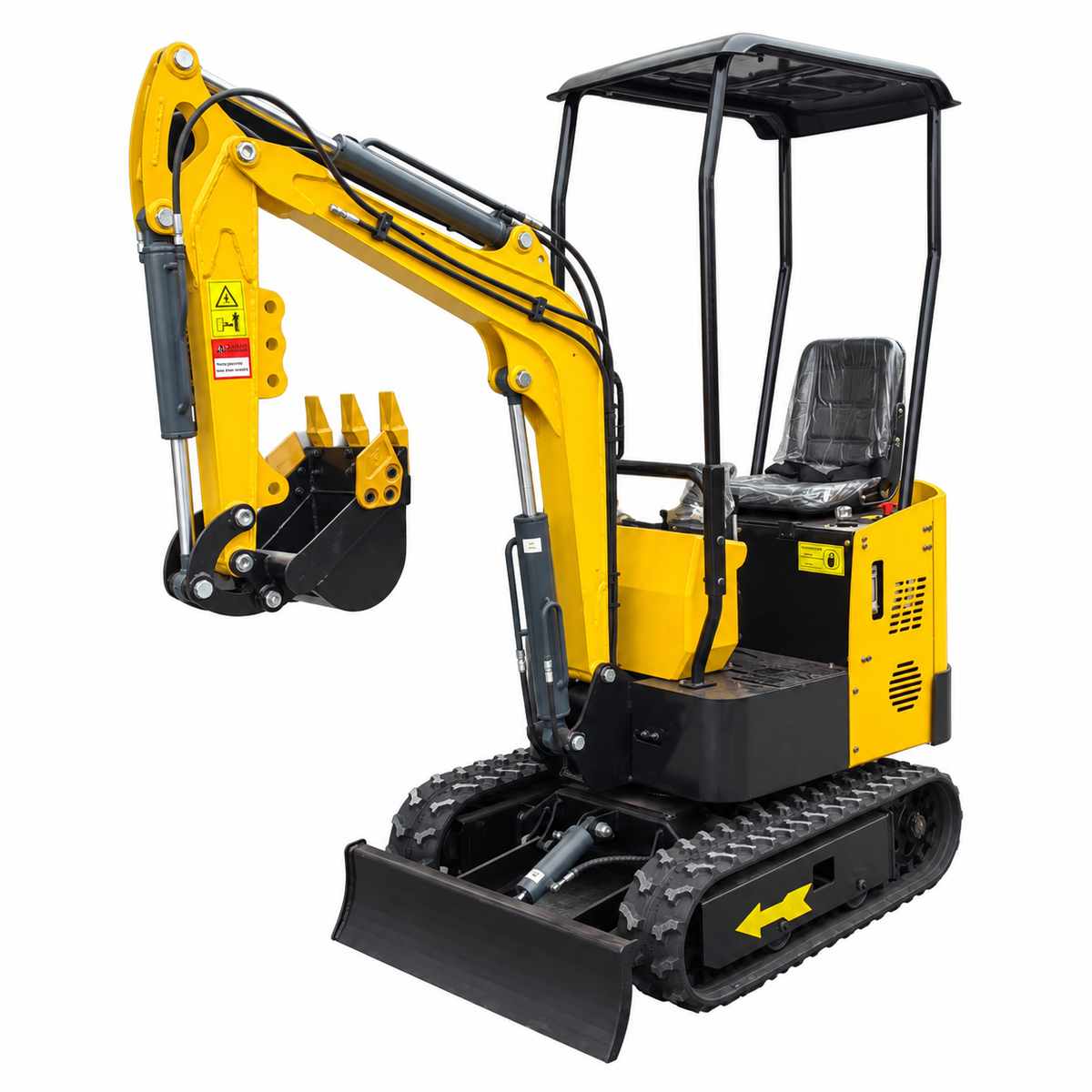
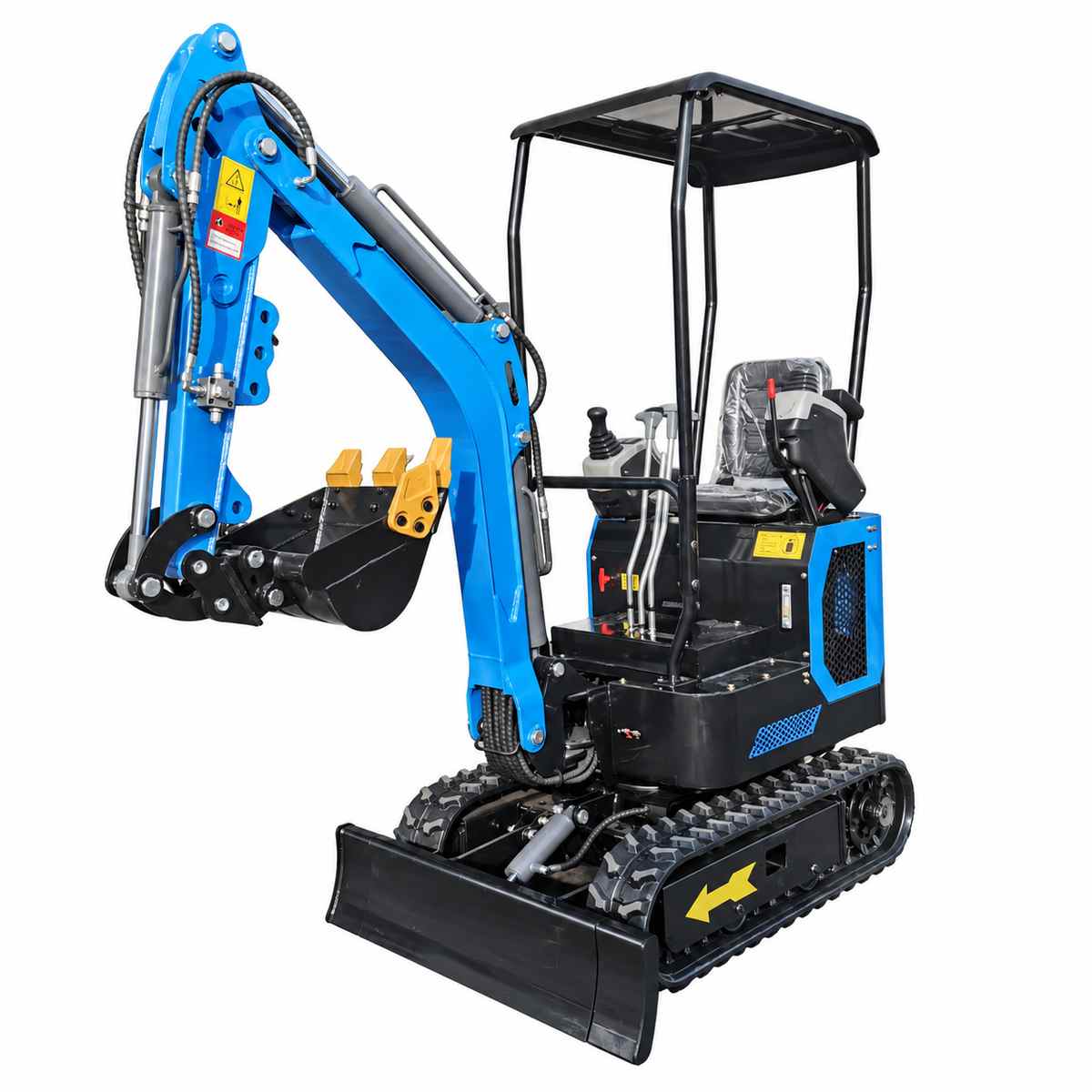
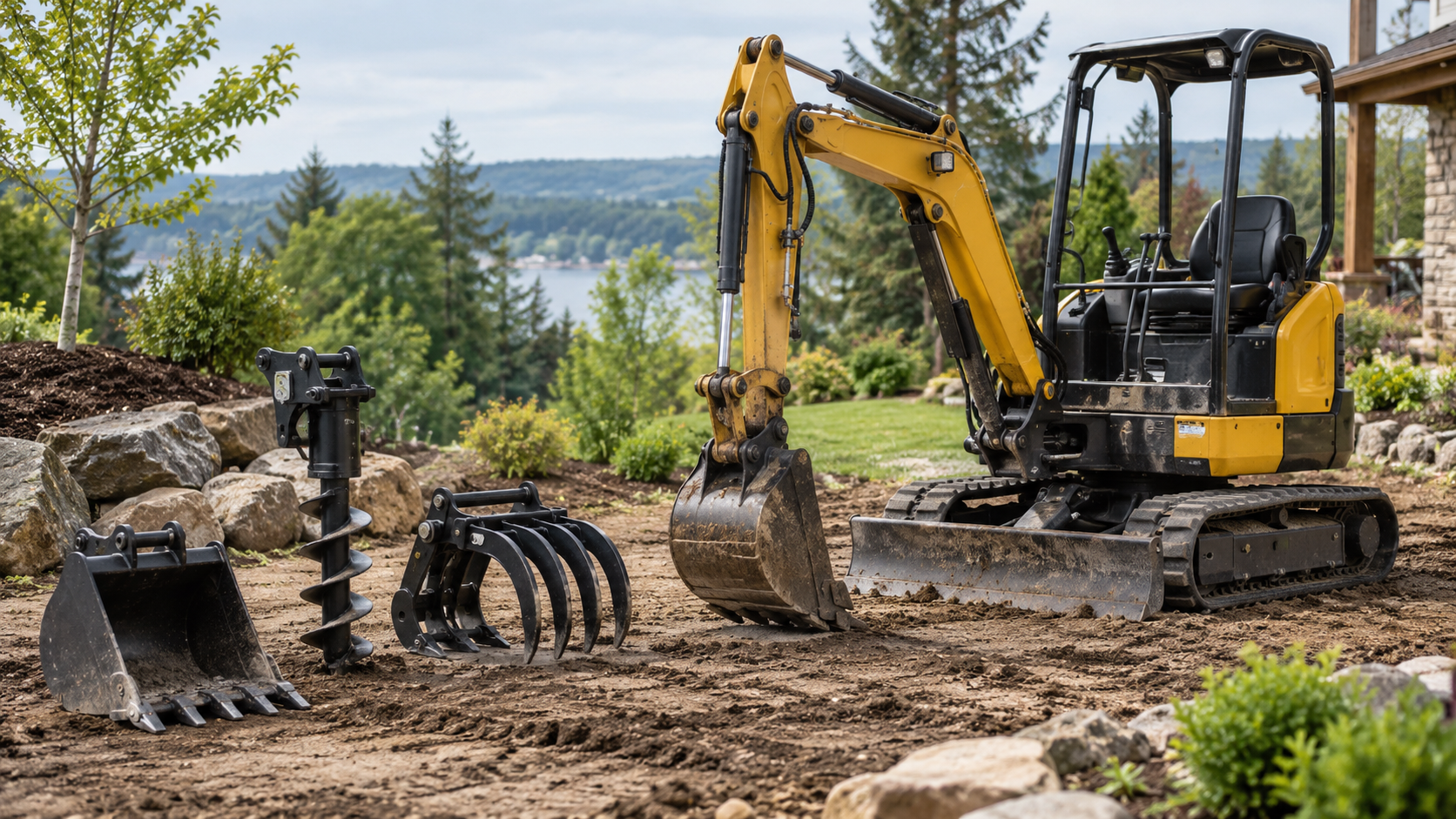
The site’s landscaping and yard projects page can help frame the intended application. Describe the soil, required shape, nearby features and material-handling route when asking for attachment advice. Confirm the exact attachment offered, especially where a photograph is used only as an illustration.
A useful bucket inquiry is surprisingly simple
Provide the excavator model and serial details if you already own a machine. Add photographs of the connection arrangement and the existing attachment when requested by the supplier. Measurements should follow the supplier’s instructions rather than an improvised guess about which dimension matters.
Then describe the job in ordinary language: a narrow trench, a planting hole, loose soil to move or a surface to finish. Include soil conditions and access constraints. You do not need to sound like an engineer. Clear information about the actual work is more useful than selecting a large bucket because its specification appears impressive.
Wenn Sie eine modellspezifische Beratung benötigen, senden Sie Ihre Standortmessungen und eine Beschreibung der Arbeit über das untenstehende Formular.
Will a bigger bucket always finish digging sooner?
No. It may be harder to fill in firm material or remove more soil than the project needs. Consider filling, emptying, repositioning, backfilling and cleanup together. The fastest-looking digging cycle is not always the quickest completed job.
Is bucket width the same as capacity?
No. Width is a linear dimension, while capacity is volume measured under a stated convention. Bucket shape matters too. Check both measurements and the intended application rather than using either as a complete description.
Can I use any bucket with the same pin diameter?
No. Pin spacing, connection width, coupler arrangement, attachment mass and machine approval can also matter. Physical connection alone does not establish suitability. Confirm compatibility with the supplier for the exact excavator.
Should a garden trench use the narrowest possible bucket?
It should use a suitable bucket for the required excavation and work method. The project may need a particular width or finishing arrangement. Establish the actual requirement before choosing the attachment solely because it is narrow.
What is the best starting point for choosing size?
Describe the intended shape and material. Include the excavator model, nearby obstacles and where the soil will go. That lets a competent person recommend an appropriate attachment instead of comparing capacity figures without context.