
En esta guía
An electric mini excavator can suit a home project when charging, access and working time fit the job. A diesel mini excavator can be convenient when refuelling and longer sessions matter. The better choice depends on the daily routine you can support. Neither power source guarantees that the machine fits your gate, reaches the digging area or has the right attachment.
In a diesel vs electric mini excavator comparison, separate three questions: what work the machine must do, how it will receive energy and where it will stand between sessions. Starting with those questions is more useful than assuming electric means silent or diesel means unlimited runtime. Both designs still need maintenance, suitable ground and a competent operator.
Begin with a realistic working day
A garden project rarely consists of uninterrupted digging from morning to evening. Time goes into inspecting the area, positioning the machine, moving soil, measuring and dealing with materials. If the excavator will work in short sessions with breaks between them, your energy needs may differ from those of a machine expected to dig continuously.
Write down when the machine will be used and where it will be parked. For electric equipment, consider whether charging can take place in an approved location between sessions. For diesel equipment, consider fuel supply and the safe storage arrangements required by the engine instructions. An energy source is practical only when the rest of the routine works.
Ask about the job represented by any quoted working time. Light movement, mixed garden work and continuous hydraulic demand can produce different results. Weather, battery condition, machine configuration and operator behaviour also affect the day. A headline runtime without its test conditions is not a reliable project schedule.
Electric drive does not remove the hydraulic system
Many electric excavators still use hydraulic cylinders to move the boom, arm and bucket. The electric power system supplies the energy that would otherwise come from the engine-driven arrangement. That means electric equipment can still have hydraulic oil, hoses, joints and other components requiring inspection and care.
Avoid equating electric with maintenance-free. The maintenance tasks change, but they do not disappear. You should receive instructions covering the power system, charging, hydraulics and routine checks. Repairs involving batteries or high-energy electrical systems need the appropriate competence and procedures for that machine.
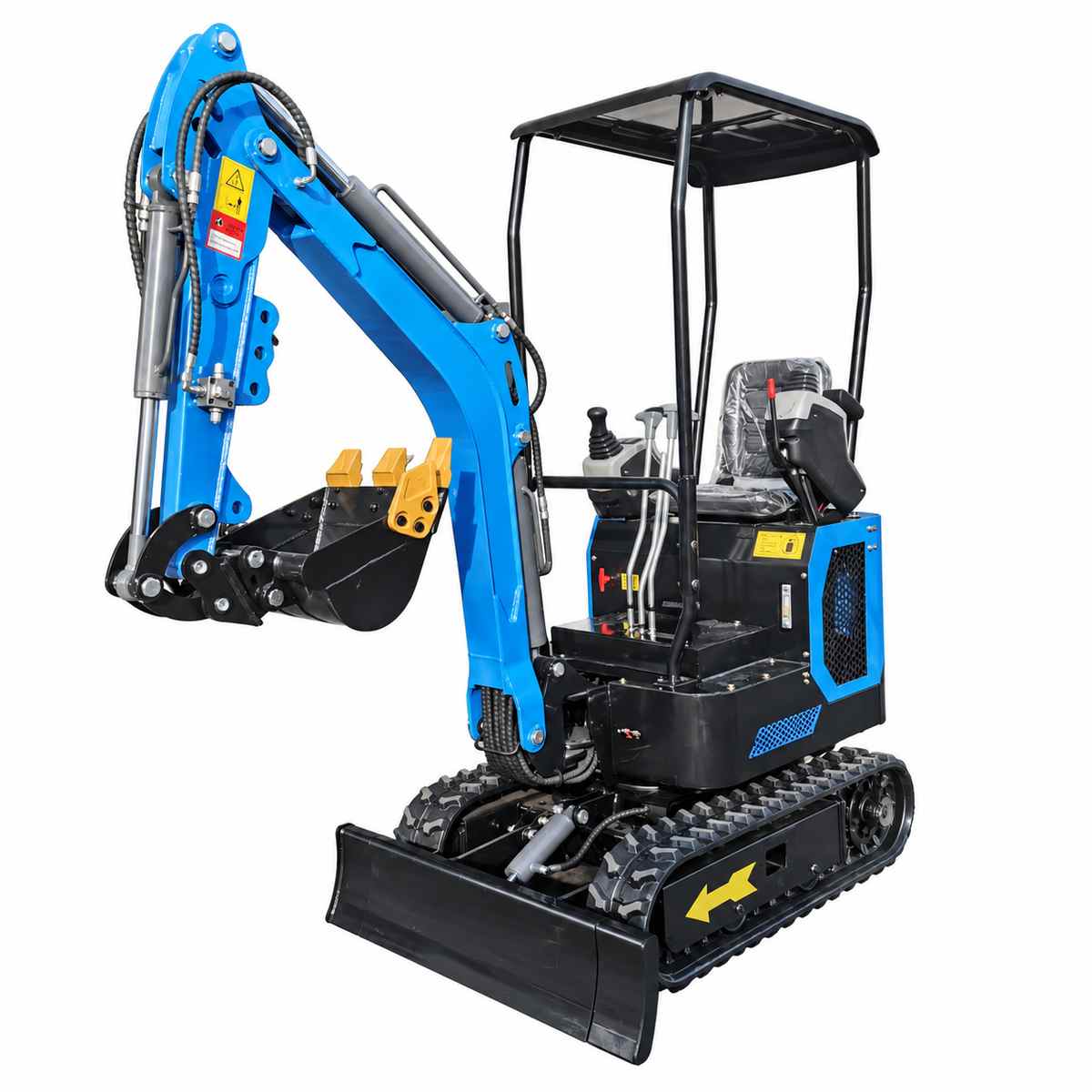
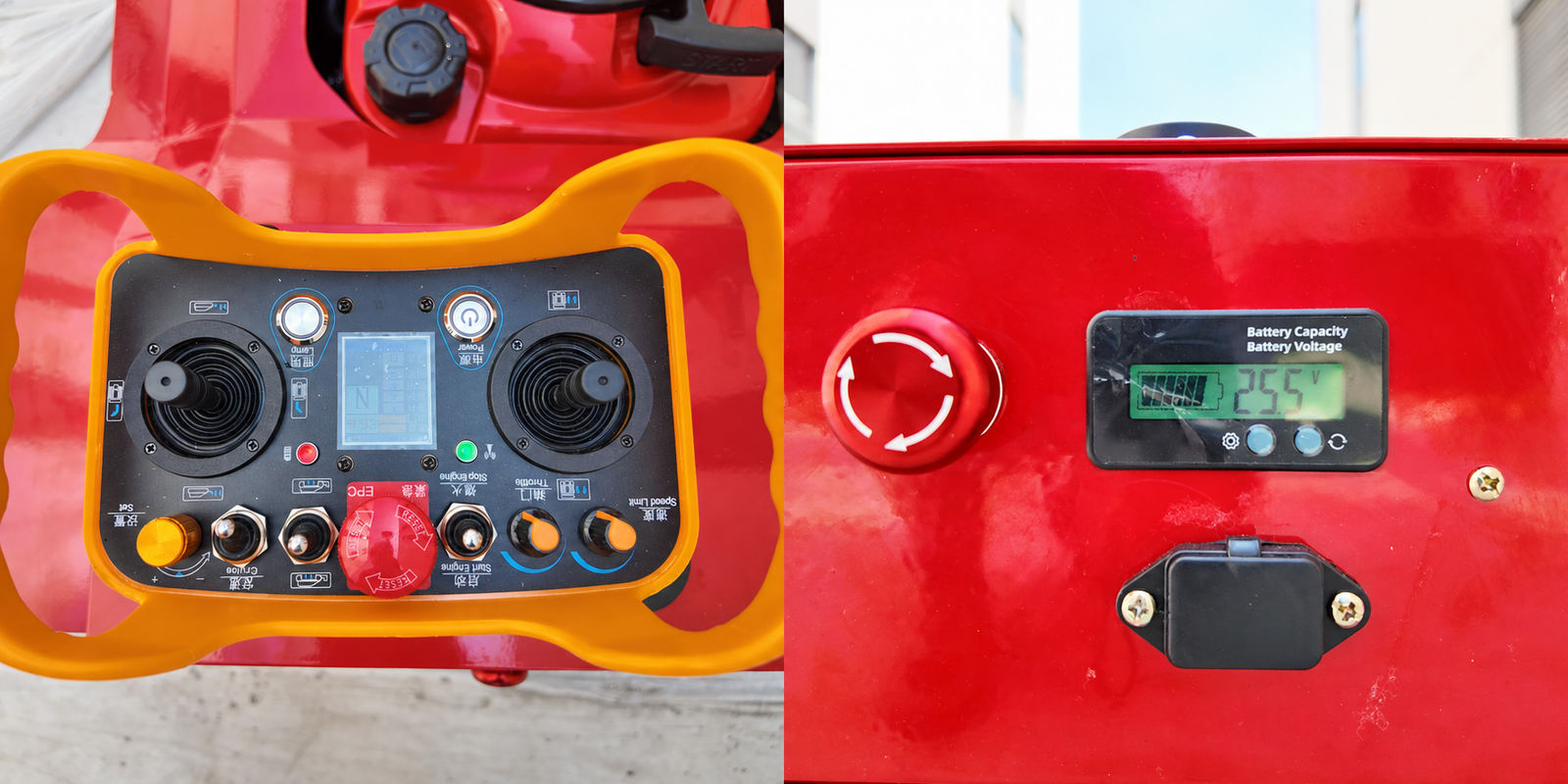
El Mini excavadora de control piloto de batería de litio T10 is the site’s listed battery-powered excavator configuration. Its page gives a stated charging time and theoretical working time. Read those as published figures for that configuration, then ask about their conditions and the charging equipment supplied. Do not turn a theoretical range into a guarantee for your garden job.
Charging is a location question before it is a time question
Before asking how quickly a battery can charge, establish where the machine can be charged and what supply it needs. A nearby socket does not prove that the circuit, charger, weather exposure and cable route are suitable. Obtain the charger’s requirements and use an appropriate electrical supply assessed where necessary by a qualified person.
Think about the machine’s parking location. If the only suitable charging point is outside the garden, you may have to move the excavator back through the access route between sessions. That can affect the work sequence. Conversely, a convenient approved charging arrangement may fit a project that pauses while materials are measured or moved.
Plan the cable route so it does not become an obstacle. Protect the charging equipment as the instructions require and avoid improvised adapters or chargers. A machine’s battery capacity tells you how much energy it is designed to store under stated conditions. It does not tell you whether your available charging setup is suitable.
Diesel refuelling is convenient only when you plan it
Diesel equipment can offer a familiar routine for sites accustomed to engine-powered machinery. Fuel can be replenished according to the manufacturer’s procedure, without waiting for a battery charging cycle. However, that does not mean the machine should run continuously without checks, cooling time or maintenance.
For an occasional home project, factor in the practicalities of obtaining and storing the correct fuel. Keep refuelling separate from casual garden activity and follow the manual’s requirements. The fuel type, maintenance intervals and approved storage arrangements belong to the actual engine and machine, not a generic online checklist.
A diesel machine also produces exhaust. Do not treat a canopy, garden wall or partly enclosed space as proof that ventilation is adequate. If the work area raises an exhaust concern, discuss it before choosing equipment. An electric machine avoids exhaust at the machine during operation, although other site hazards still remain.
| Part of the day | Battery excavator | Diesel excavator |
|---|---|---|
| Supplying energy | Needs the correct charger and suitable electrical supply | Needs the correct fuel and a refuelling plan |
| Pauses | May fit a planned charging routine if the manufacturer allows it | Can be used for checks and other project work |
| Noise | Still has hydraulic, travel and working noise | Adds engine noise to other working sounds |
| Routine care | Includes charging and power-system requirements | Includes engine and fuel-system requirements |
| Access and digging | Must be checked for the exact model | Must be checked for the exact model |
Compare noise without expecting silence
An electric excavator can change the sound of the work, but excavation itself is not silent. Tracks travel over surfaces, buckets contact soil and stones, hydraulic components operate and materials are moved. Neighbours may hear these activities even when there is no diesel engine running.
If noise is an important constraint, ask for comparable machine data and a demonstration relevant to the intended work. A video filmed from different distances is not a fair noise comparison. Microphones and background conditions can make one machine sound much quieter than another without establishing the actual difference.
Plan the overall disturbance as well. Deliveries, spoil removal and breaking old paving can matter more to neighbours than the excavator’s power source. A quieter power system is one part of managing a project. It does not replace agreement about working hours or any applicable local requirements.
Keep the machine comparison fair
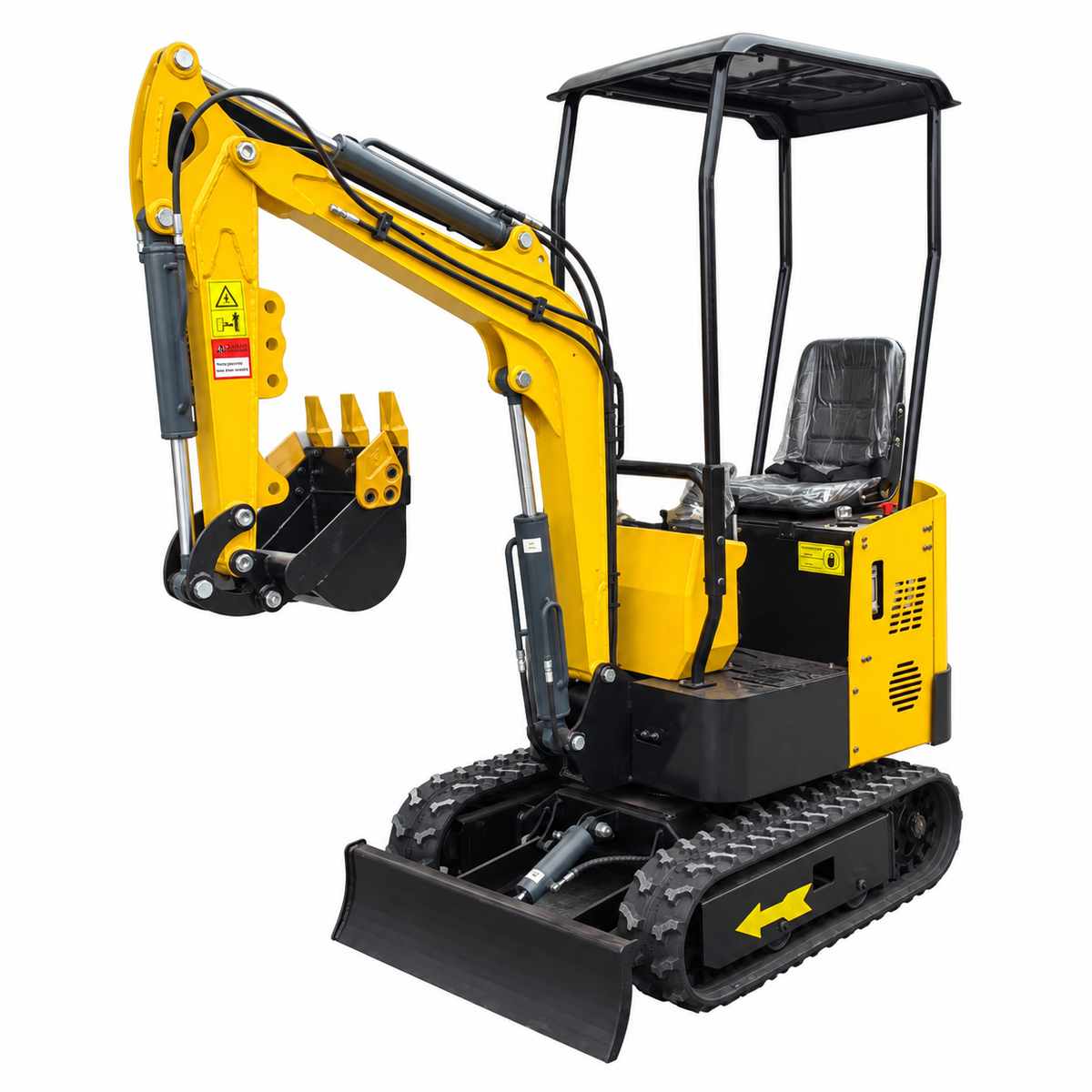
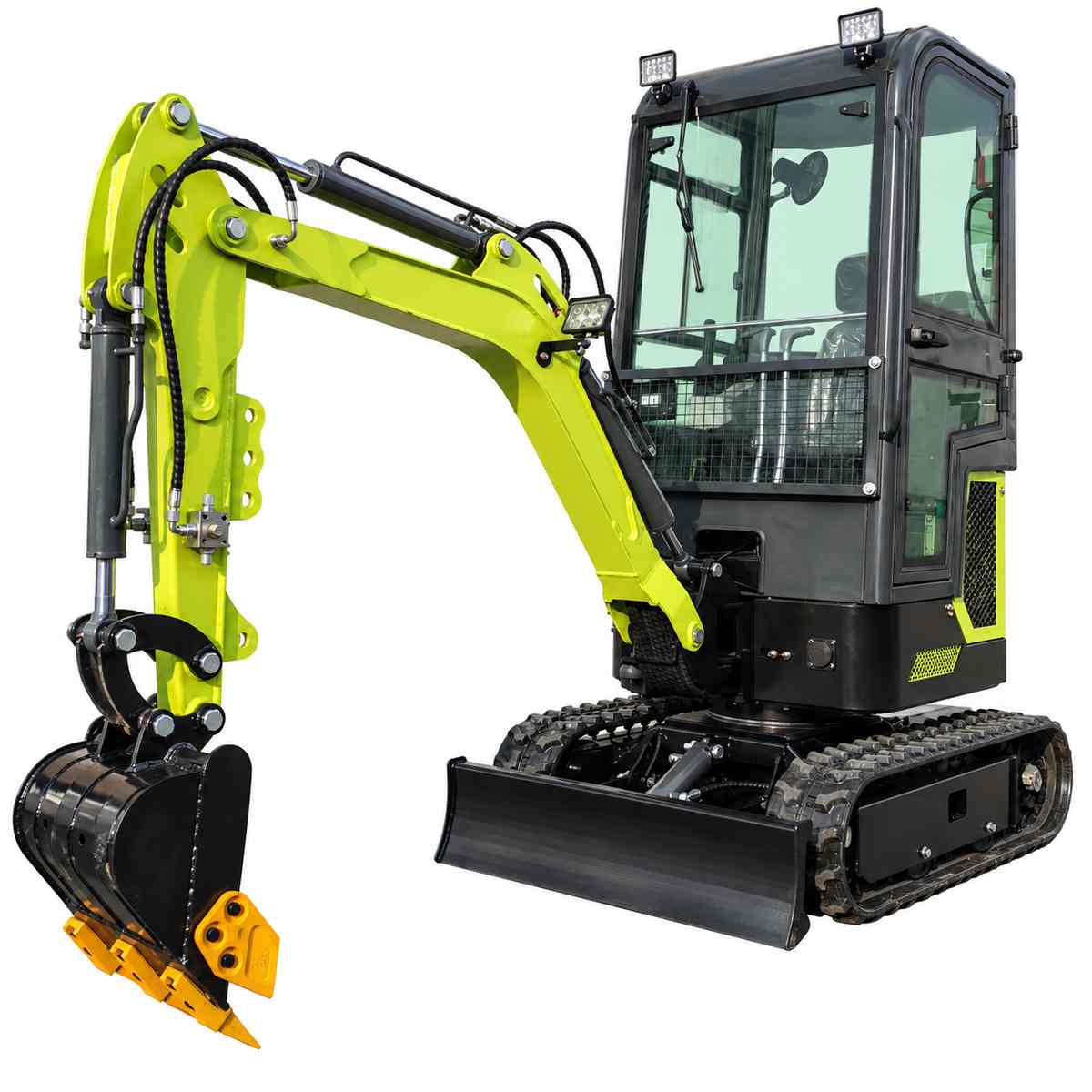
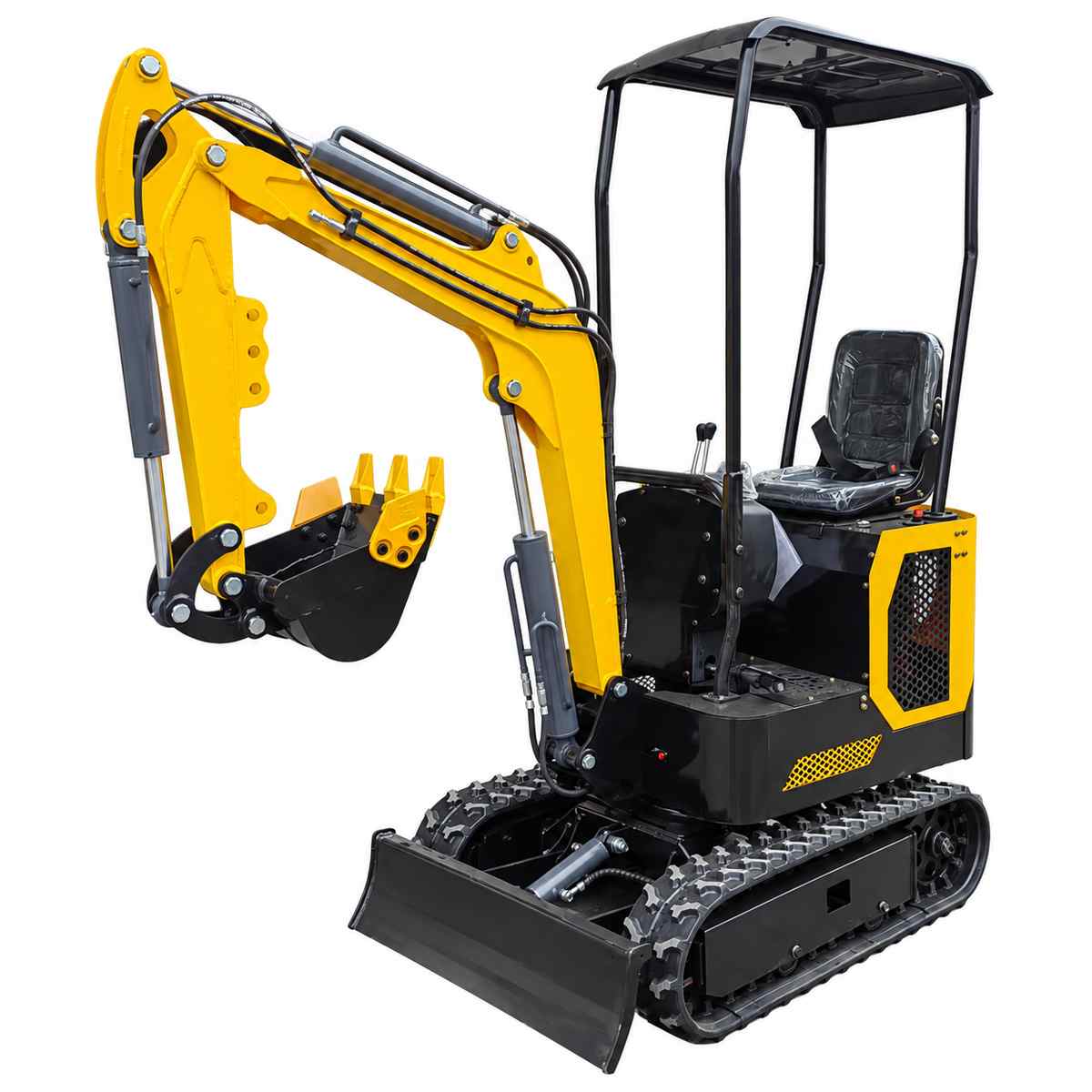
Comparing a small battery excavator with a much larger diesel model can confuse power source with machine size. Look at width, weight, digging range, bucket and offered controls alongside the energy system. Two machines may differ because they are different configurations, not simply because one is electric.
El mini excavator category includes several configurations. Use the individual pages to build a shortlist, then confirm the specification of the machine actually offered. Model labels alone are not a substitute for a written configuration, especially where the site shows different engine options.
If you need an attachment, include it in the comparison. Its compatibility and energy demand may change the practical routine. Ask whether the machine has the required hydraulic provision and approved configuration. Buying an energy system that suits your storage space will not help if the excavator cannot use the tool the project needs.
Make the choice from your constraints
Electric is worth considering when a suitable charging arrangement exists, the work pattern fits the available energy and reducing engine exhaust at the machine is useful. Diesel may be easier where charging is impractical and fuel handling is already planned. These are starting points for a machine-specific discussion, not universal rankings.
For background on the technology rather than a product endorsement, the US Department of Energy's battery explanation describes how rechargeable batteries store and release energy. Use it to understand terms. Use the actual excavator and charger instructions to make decisions about charging or servicing.
Before ordering or hiring, describe the planned working hours, access, attachments, parking and energy supply. Ask for the offered configuration, charging or fuel requirements, manual and support arrangements in writing. A good choice is the one whose daily routine you can carry out reliably on the site you have.
Si necesita asesoramiento específico sobre el modelo, envíe las mediciones de su sitio y una descripción del trabajo a través del siguiente formulario.
Does an electric mini excavator dig less effectively?
Power source alone does not answer that. Compare the actual machines’ working range, hydraulic specifications, attachments and intended duty. A small electric model and a larger diesel model may differ mainly because of their size and configuration.
Can I charge it from any household socket?
Do not assume so. Confirm the supplied charger’s electrical requirements and the suitability of the circuit and installation. Use the manufacturer-approved equipment and obtain qualified electrical advice where the supply arrangement needs assessment.
Will the listed working time cover a whole day?
Only if the actual work pattern and conditions fit the assumptions behind that figure. A published theoretical time does not describe every task. Ask about the test conditions and plan for the charging routine rather than treating the number as guaranteed continuous digging time.
Is an electric excavator silent?
No. It can still produce sound from hydraulics, travel, bucket contact and material handling. If noise is important, compare relevant data or a fair demonstration of the exact machines. The sound of the whole project also includes deliveries and other tools.
Which option is easier for occasional garden use?
It depends on storage, charging or fuel arrangements, project duration and access. List those constraints first. Occasional use does not automatically favour one power source, particularly if the machine will spend long periods stored between jobs.