
En esta guía
A mini digger can pass beneath a low carport only if its actual travel arrangement clears every overhead and side obstruction throughout the route. The published overall height is a starting point. Ground slope, beams, gutters and the way the machine enters or leaves the covered area can make the tightest point different from the one you first measure.
Treat a carport as a short tunnel rather than a single doorway. A machine may fit beneath the front beam but approach a lower cross-member farther inside. If the surface rises, the canopy moves closer to the roof. Choosing a mini excavator for narrow access therefore requires a view of the whole space, including the turn before entry and the working area beyond it.
Find the lowest part of the structure
Carport roofs often have several heights. The visible roof edge may be above a beam, bracket, lighting fixture or gutter support. Look along the intended line of travel and identify every projection. Measure to the lowest solid obstruction that the machine could pass beneath, not simply to the underside of the roof covering.
Check the height in several places across the route. A beam may sag or the paved surface may slope toward one side. The machine may also need to travel off the centre line to clear a post. A measurement taken at the middle of an otherwise empty carport can therefore miss the controlling point.
Photographs should include the roof underside. A picture taken from outside, focused on the entrance, may show little of what the operator will encounter inside. Label the beams and measured positions on a sketch. Include anything hanging from the structure, such as cables or storage hooks, and identify features whose removal is genuinely planned.
Read the ground and roof together
Measure overhead clearance vertically from the surface at the relevant point. Then look at how the ground changes before and after it. When a machine travels over a hump or transition, different parts move closer to the roof at different times. Static height beside the carport does not fully describe this movement.
A raised threshold can also affect the attachment and underside clearance. The boom may need to remain in a specified travel position, and the front bucket can encounter a restriction before the canopy reaches it. The operator must be able to follow the machine’s instructions while staying clear of the structure.
Do not add a temporary surface or ramp after measuring without reviewing the clearance again. Protective materials can raise the track route, while flexible or uneven materials can introduce movement. Surface protection and overhead access need to be planned together rather than approved independently on different assumptions.
Use the correct height for the supplied version
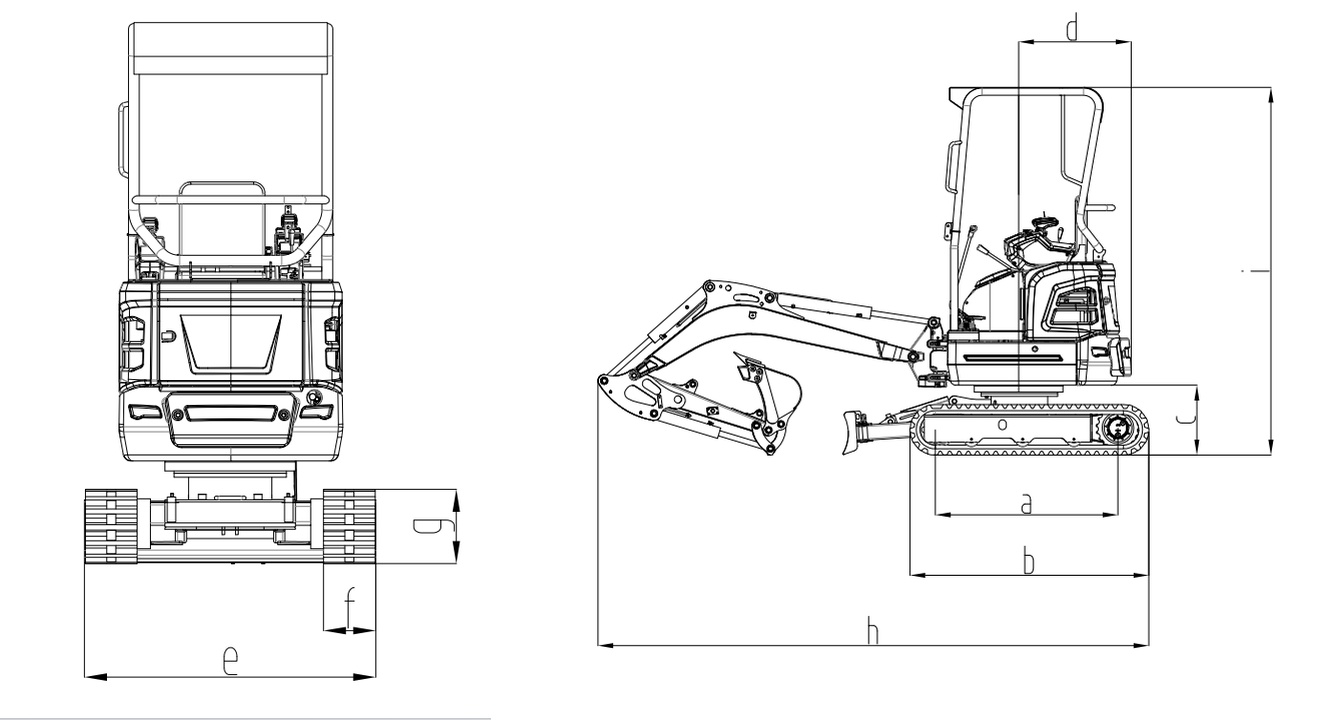
Specification sheets sometimes list height to the boom, height to the canopy and height with a cab. These are different dimensions. The lowest-looking number may describe the boom in a folded arrangement while leaving the operator structure above it. Ask which dimension represents the highest point of the machine in the permitted travel configuration.
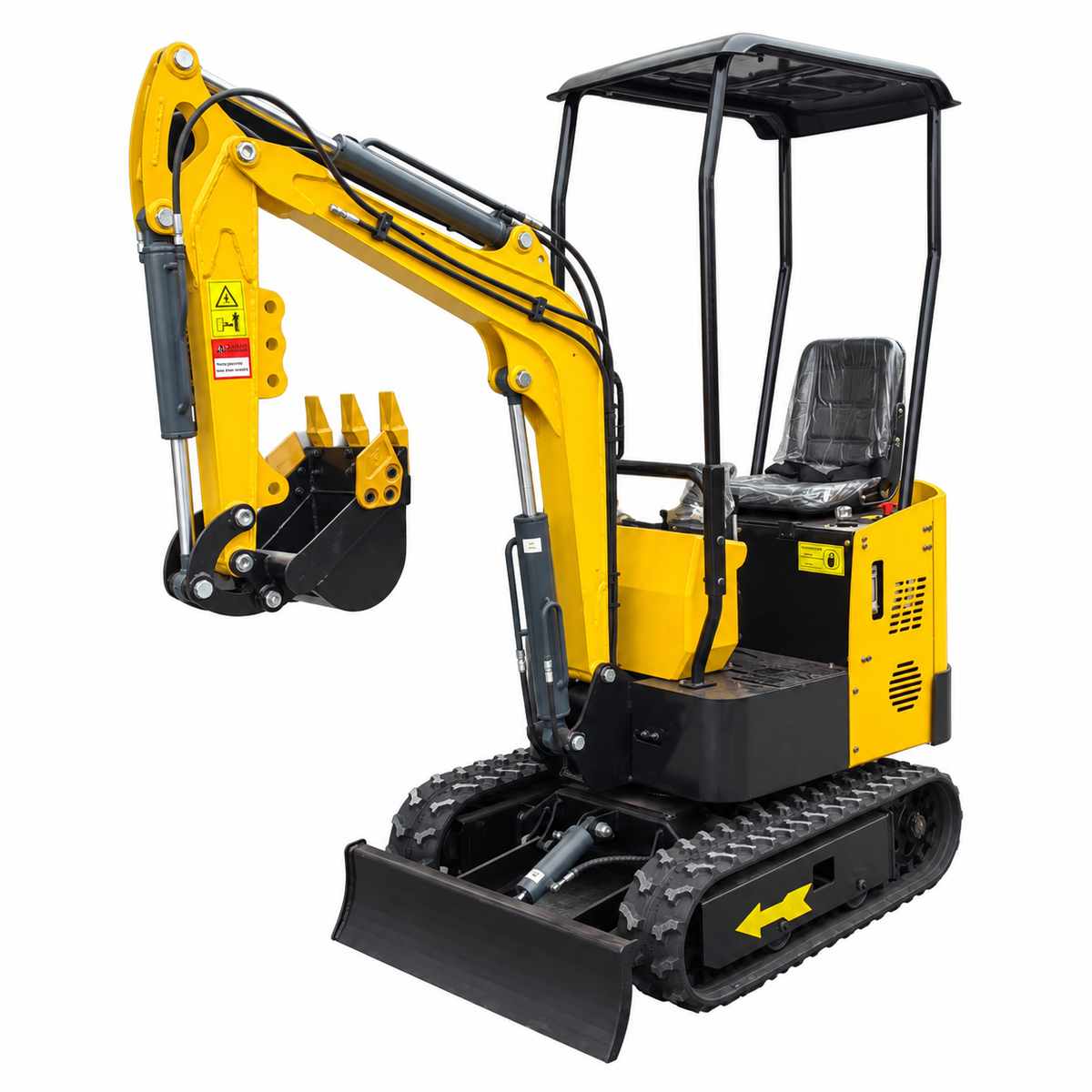
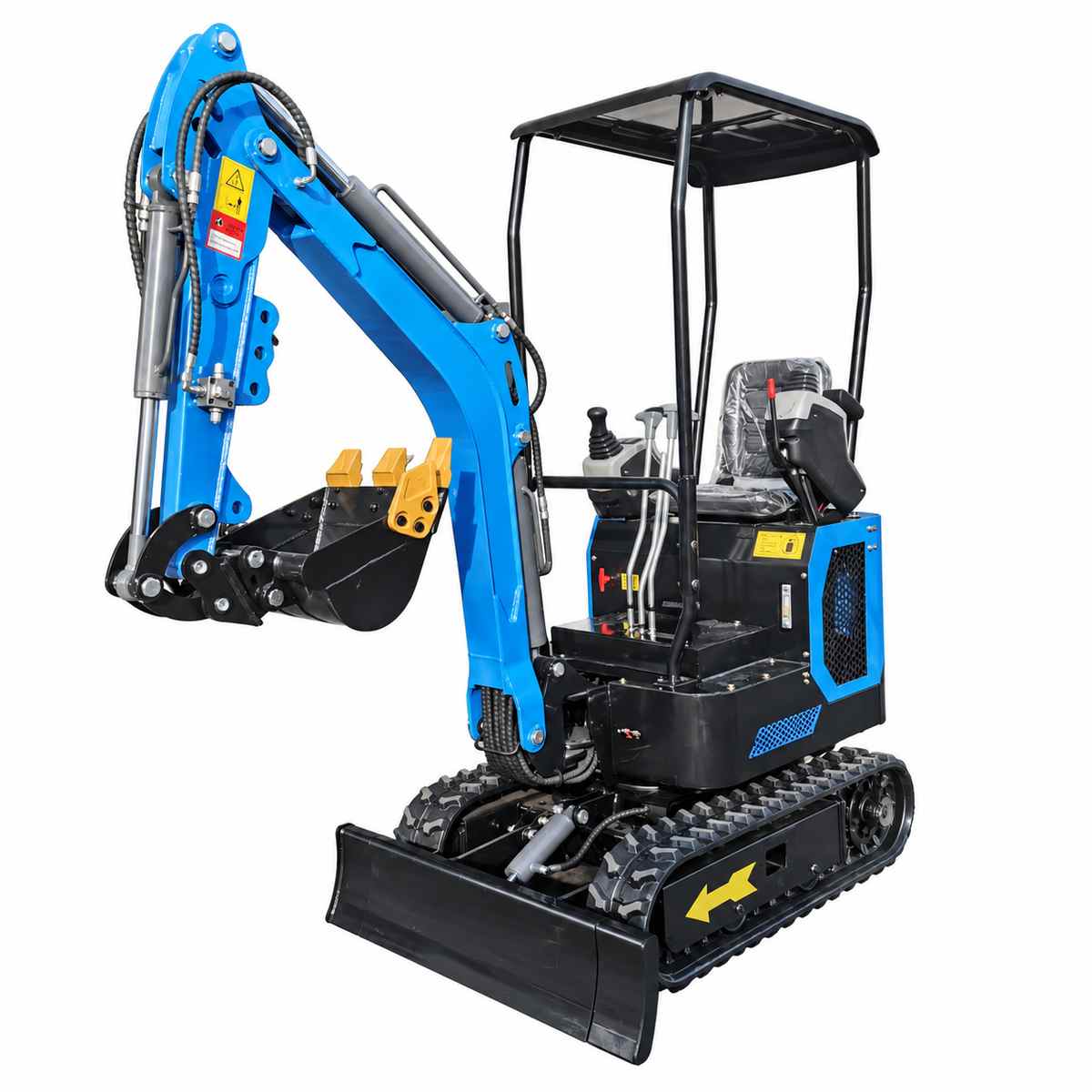
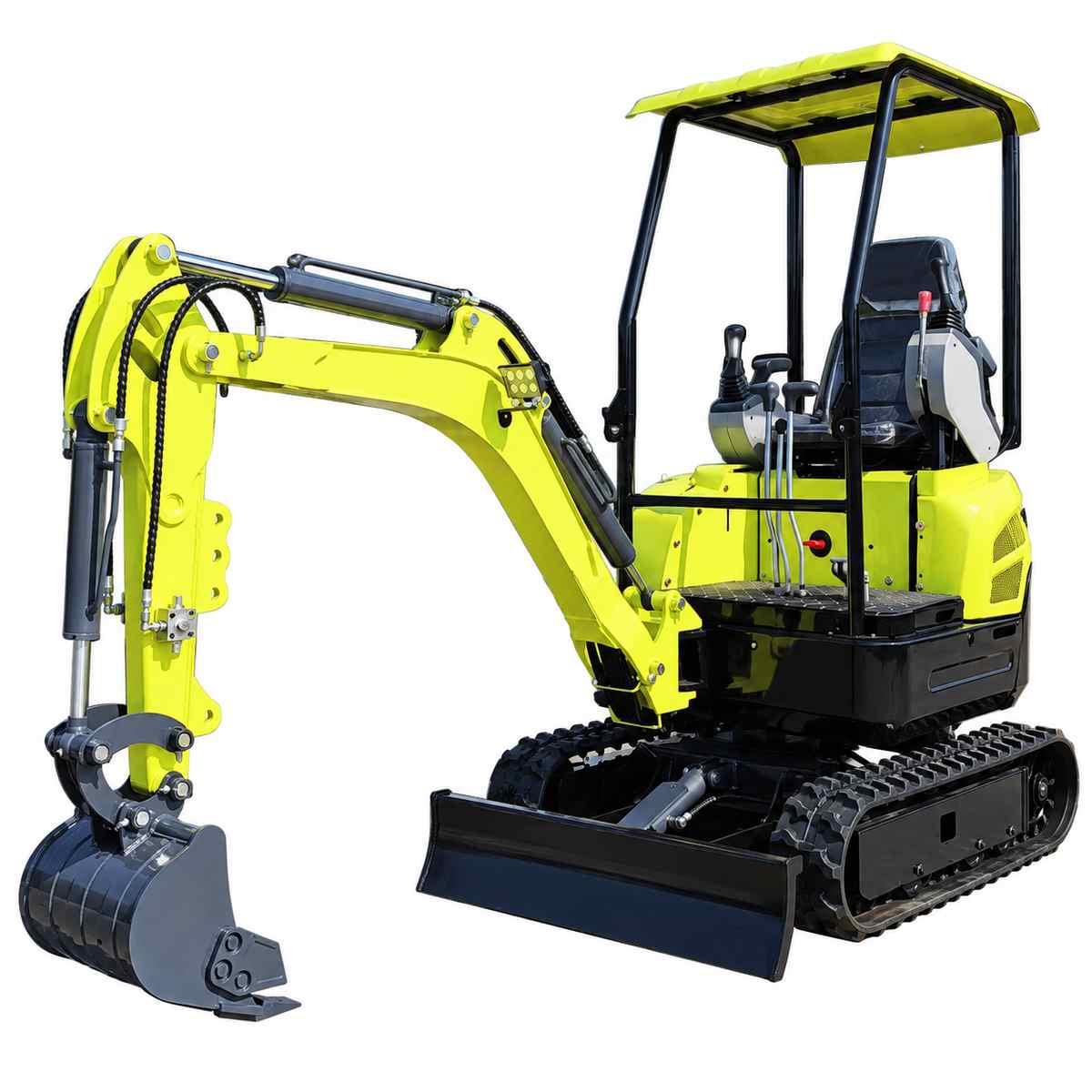
El Mini excavadora T18 page, for example, lists height to the top of the boom separately from height to the top of the cab. That separation is a useful warning against selecting whichever height appears to fit. The version delivered and the arrangement used for travel determine the relevant envelope.
El T10-1 Mechanical Control Mini Excavator has published overall dimensions of 2800 × 940 × 2200 mm, with a separate cabin-height entry. Confirm the actual configuration rather than treating all references to that model as physically identical. Attachments and optional equipment may also require checking.
A removable or folding structure needs confirmation
Some machines have arrangements that can reduce transport height. That capability must be established for the exact model, along with the permitted procedure and operating conditions. A canopy that appears to have bolts is not automatically designed for casual removal, and folding components can have specific locking requirements.
Do not ask the operator to work beneath the roof with a protective structure altered unless the manufacturer’s instructions explicitly allow the proposed arrangement and the work has been assessed. Passing through a low opening and excavating within it are separate operations. The space needed for the boom during work may exceed the space needed for travel.
If a reduced-height arrangement is proposed, obtain the actual resulting dimensions and confirm who will carry out the change. Also check how the structure will be restored after the machine exits the covered section. A theoretical reduced height is not useful if the available space does not allow the procedure to be completed correctly.
| Measurement on a drawing | What it may describe | What to confirm |
|---|---|---|
| Height to top of boom | A specific folded equipment position | Whether another part remains higher |
| Canopy or cab height | The operator structure | Which version will arrive |
| Reduced transport height | An approved altered arrangement | Procedure, locking and permitted use |
| Working height | Reach of the digging equipment | Whether digging beneath the roof is proposed |
Do not overlook the posts and corners
Carport posts can make entry difficult even when overhead clearance is generous. Measure the clear space between posts, braces and anything fixed to them. If the route turns under the roof, record the available length before the next post. The front attachment and rear body need room to follow that turn.
Parked vehicles, shelving and stored materials can create additional restrictions. Decide what will be removed before measuring the final route. A vehicle moved after the survey may open a better approach, but a newly stacked pallet can have the opposite effect. Keep a clear record of the agreed layout.
Check the exit as carefully as the entrance. A narrow rear opening immediately after a post may require the machine to align while still under a beam. An open garden beyond it does not necessarily provide space soon enough. The complete travel arrangement needs to fit through the sequence of restrictions.
Consider what lies beneath the paving
The carport surface may cover drains, inspection chambers or voids. Vehicle use does not automatically establish suitability for every tracked machine, particularly where loads are applied differently or the route passes close to edges. Tell the assessor about known covers and defects rather than assuming the roof is the only issue.
If the machine must turn on decorative paving, discuss surface protection and manoeuvring. Rubber tracks can still scuff or disturb surfaces. A plan that reduces sharp turns may be easier to protect, but the underlying support still needs to be suitable. Mats do not repair a weak cover beneath them.
For general background, the HSE excavator information offers access to recognised machine safety guidance. For a low carport, the practical decision depends on the exact excavator’s instructions and the assessed route. A nearly equal measured height and machine height should prompt closer review, not a trial contact with the beam.
Prepare a decision that survives delivery day
Send the supplier a plan showing clear height at each restriction, width between posts, surface changes and both approaches. Add a side view of any slope. Include the proposed job and whether the excavator will simply pass through or work beneath the roof. Those two uses need different assessments.
El sitio landscaping and yard projects page can help explain the task while discussing access. If clearance remains uncertain, arrange a site inspection or consider another route. There is little benefit in selecting a smaller machine on paper if its arrival depends on unconfirmed assumptions about the carport.
Once the route is agreed, keep it in the assessed condition. Move the specified obstructions, but do not introduce unreviewed ramps or coverings. Let the operator reassess if the surface, weather or structure has changed. A careful survey is valuable because it makes the constraints visible before the machine enters the covered space.
Si necesita asesoramiento específico sobre el modelo, envíe las mediciones de su sitio y una descripción del trabajo a través del siguiente formulario.
Should I measure to the roof or the lowest beam?
Measure to the lowest obstruction along the actual travel line, including beams, brackets and fittings. Several measurements may be needed because the roof and ground can vary.
Can the operator lower the canopy to get through?
Only if the exact machine has a documented arrangement and the proposed procedure is permitted. Do not assume a canopy is designed to fold or be removed from its appearance.
Does height to the boom mean overall height?
Not necessarily. Another part, such as the canopy or cab, may be higher. Ask the supplier to identify the complete travel height for the configuration being delivered.
Why does a sloping driveway matter?
It changes the position of the machine relative to the roof as it moves. A clearance measured on level ground may not represent the tightest point during a transition.
Can a digger work under the carport if it fits through?
Travel clearance does not establish working clearance. Digging moves the boom, bucket and upper structure through additional space, which must be assessed separately.