
このガイドでは
A mini excavator can dig only within the working range of its particular boom, arm and bucket. The maximum digging depth on a specification sheet is a geometric limit measured in a stated configuration. It is not a promise that every garden trench can be completed efficiently at that depth. Space to position the tracks, ground conditions, buried services and the shape of the excavation can all become the real constraint.
If you are comparing machines for a garden project, use a mini excavator digging depth comparison as an initial filter. Then ask whether the machine can reach the required depth from a suitable standing position, remove the soil and leave room for the rest of the work. The useful question is how it will complete the excavation, not merely whether one point on a diagram reaches the bottom.
What the depth figure actually measures
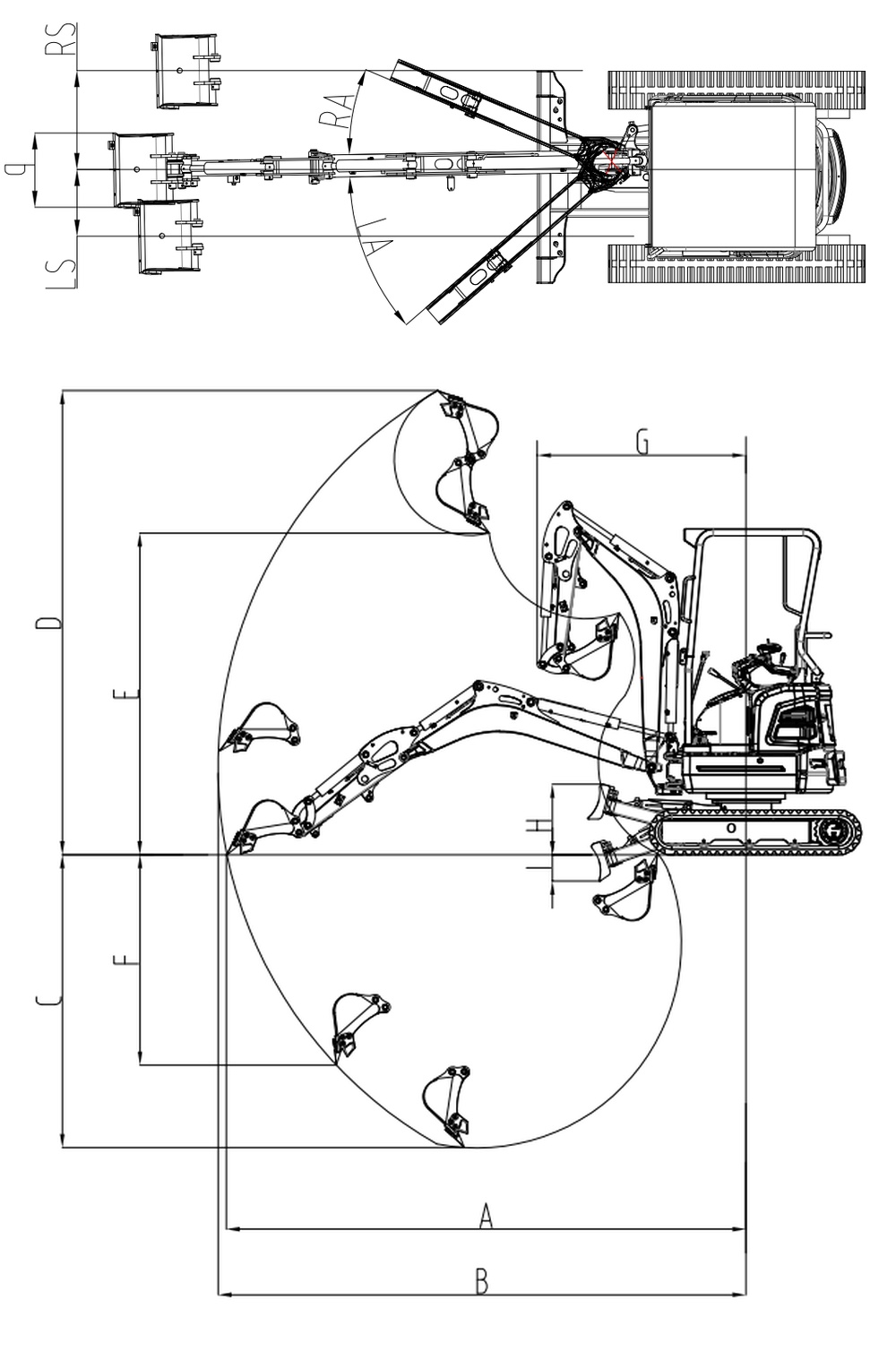
An excavator’s working equipment moves through an arc. The bucket can reach different distances and heights as the boom and arm move. Maximum depth identifies the deepest position available in the published arrangement. Maximum reach describes another point in the range. Maximum dumping height describes a different movement again. You cannot assume that all three maximums are available at the same time.
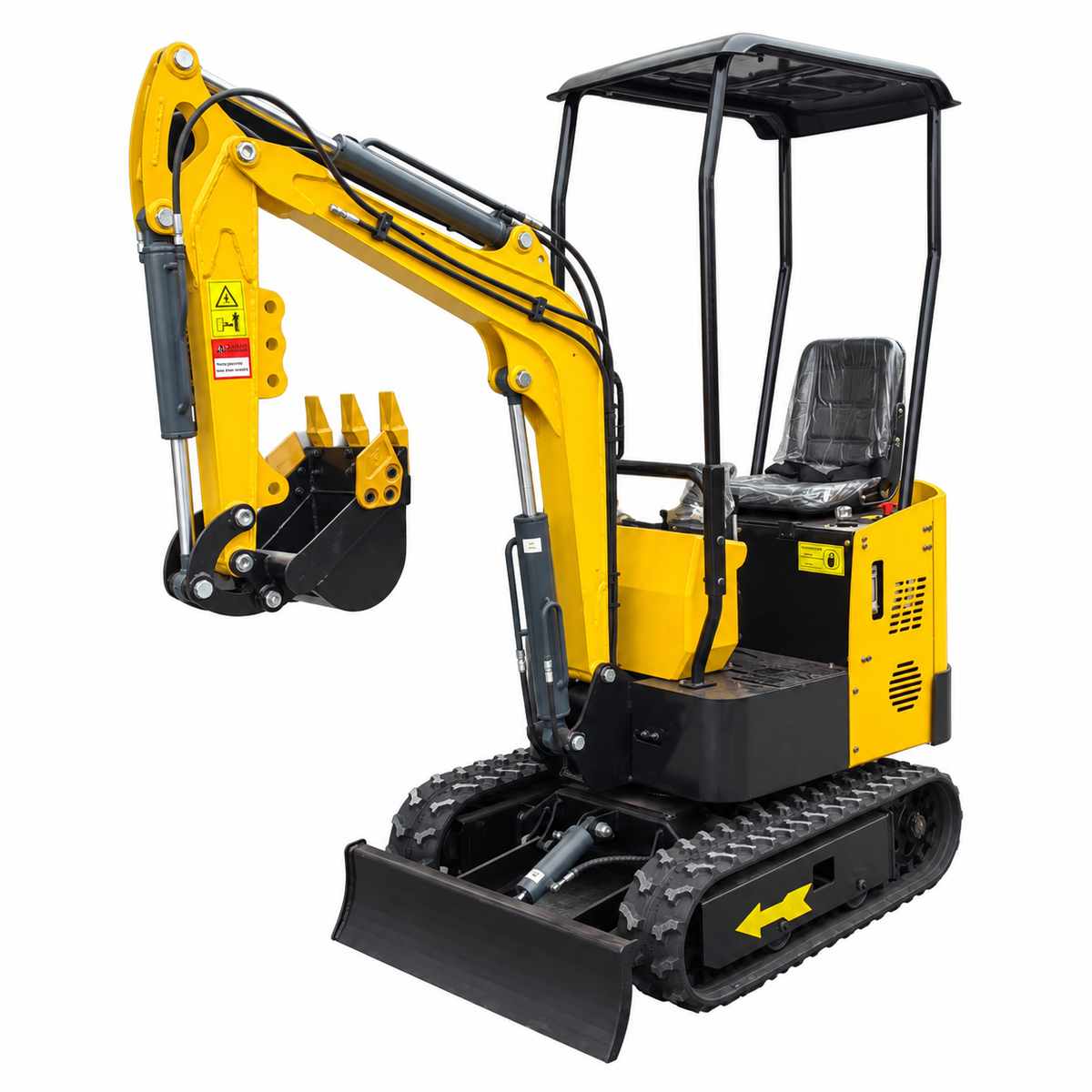
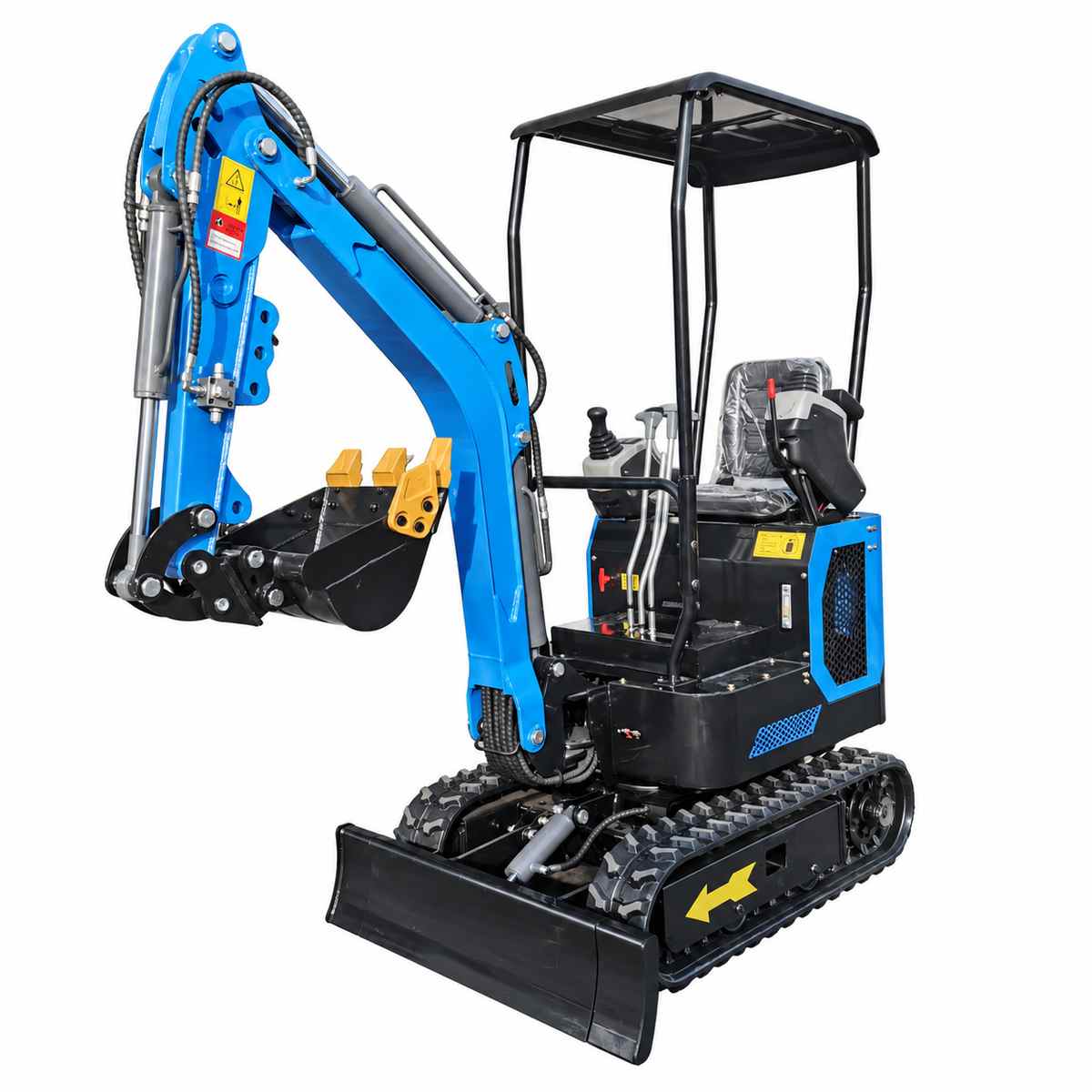
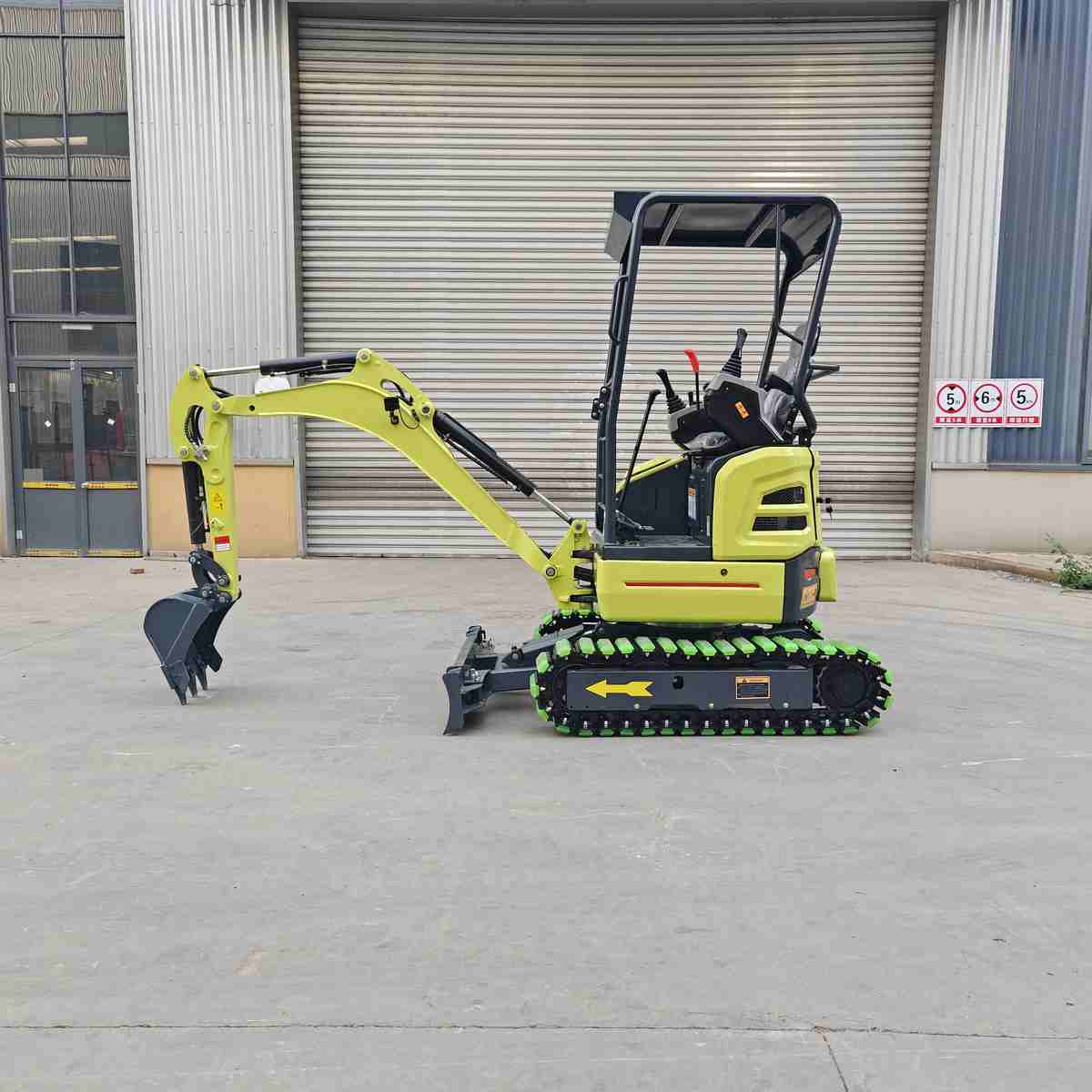
の The GW18 Mini Excavator page lists a maximum digging depth of 2270 mm, while the T10-1 Mechanical Control model lists 1600 mm. Those published values help distinguish the machines’ stated working ranges. They do not tell you the appropriate position beside a particular excavation or establish safe trench conditions.
Use the actual working-range drawing where one is available. It shows how the bucket’s reach changes with depth more clearly than a single number can. Confirm that the drawing belongs to the model, arm and bucket being offered. A diagram copied from another configuration can make an otherwise careful comparison misleading.
A deep point is different from a useful trench
Picture a narrow garden trench that needs a reasonably consistent bottom. Reaching one deep point does not guarantee that the bucket can work along the full length from one standing position. The operator may need to reposition the machine to maintain the required shape and remove material cleanly. At the outer limits of the working range, the bucket’s movement becomes more restricted.
The trench also has a width, an alignment and a purpose. A shallow irrigation line and a drainage installation may need different finished conditions. An excavation for a structure requires its own design and inspection. Do not choose a depth merely because an excavator can reach it. Establish what the project needs before selecting the machine.
If a person must enter an excavation, treat that as a separate safety issue requiring competent planning. A small machine can create an excavation that is dangerous to enter. The scale of the excavator does not make unsupported ground safe. For general background, the HSE guidance on excavation work explains why excavation conditions need assessment.
Standing position can take away apparent reach
An excavator must stand on suitable ground. You cannot assume that it may sit wherever the dimension line on a drawing begins. A wall, a soft edge, a garden feature or another obstruction may require a different position. Moving the machine farther from the intended digging line changes which part of its working range is available.
A garden wall can create a particularly deceptive situation. The desired hole may be close to the wall, yet the machine may have limited room for its rear body, tracks or boom movement. A narrow access model can reach the area but still have difficulty achieving the required bucket position. A simple plan view helps expose this before delivery.
Ground levels matter too. The machine’s standing surface may be above or below the point from which you measured the project depth. State the reference level clearly. “Two metres deep” means little unless everyone knows where that measurement begins. A slope or existing terrace can make a casual depth description inaccurate.
Soil changes the work even when geometry stays the same
Loose garden soil, sticky clay, roots and buried rubble do not respond to a bucket in the same way. A machine may have enough geometric depth yet spend much more time breaking, clearing or separating material. That is a reason to describe the soil honestly, rather than adding an assumed productivity figure to the specification sheet.
Wet conditions can affect the standing area as well as the excavation. If the machine starts forming deep ruts, the route and platform may need reassessment. A bucket reaching the bottom is not useful if the machine cannot travel or stand appropriately. Plan around the weather and ground, especially where a garden already has drainage problems.
Large stones or old building materials may require a different method or attachment. If unexpected material appears, stop to identify it rather than treating every buried object as something the excavator should pull out. Unknown pipes, cables and potentially hazardous debris require particular care. A garden’s present appearance does not reveal everything beneath it.
| What you know | What it helps establish | What you still need to resolve |
|---|---|---|
| Maximum digging depth | Whether the published range is broadly relevant | Useful movement at the required trench shape |
| Maximum digging reach | The outer geometric reach in the stated configuration | An appropriate standing position |
| Bucket width | The nominal width of that attachment | Required excavation width and finishing method |
| Site soil description | Likely handling difficulties | What is actually found below the surface |
| Access measurements | Whether a machine can reach the work area | Whether it can operate and remove spoil there |
The soil has to come back out
Depth comparisons often overlook where the bucket will discharge. A machine may reach the hole but lack a convenient place to place spoil. If soil has to be handled repeatedly, the project can take longer even with a capable excavator. Mark the soil storage area and the onward removal route before deciding where the machine will stand.
Excavated soil usually occupies a different volume from soil in the ground because digging disturbs its structure. Avoid treating the neat dimensions of a hole as the exact volume that will fit in a stack or container. The amount of loose material varies with soil type and handling. Use a suitable allowance agreed for the project rather than an invented universal percentage.
Keep valuable topsoil separate where the garden design calls for it. Mixing it with rubble or subsoil can create unnecessary sorting later. Space reserved for separate piles may influence the excavator’s position, which in turn affects useful reach. Soil handling and machine geometry belong in the same plan.
Decide when a larger range is genuinely useful
Choosing a machine with a larger published range can provide more flexibility, but it may also change access, transport needs and the area required to work. A bigger model is useful only when the whole project can accommodate it. Compare the required hole or trench with the complete site layout.
For a short garden job, a contractor may find that repositioning a smaller machine is sensible. On another job, repeated repositioning may be impractical because the only standing area is limited. The distinction comes from the layout, not a rule that small gardens always need the smallest excavator.
The site’s landscaping and yard projects overview can help frame an inquiry about garden work. Include the intended excavation dimensions, access measurements, soil conditions, known underground features and spoil route. Ask for a machine-specific assessment instead of requesting whichever model has the largest depth number.
A simple way to prepare a useful depth inquiry
Draw the proposed excavation from above and add a side view if ground levels change. Mark the required finished depth from a named reference point. Show walls, trees, paths and the space available for the excavator. Add photographs that make the standing area visible, rather than photographing only the patch where the hole will be.
If the project is a drainage repair, explain where water is intended to go. If it is a pond, show the full shape rather than its deepest point alone. If it supports a building or other structure, obtain the appropriate project design first. These details prevent a machine comparison from becoming a substitute for deciding what needs to be built.
If you need model-specific advice, send your site measurements and a description of the work through the form below.
Is maximum digging depth the same as practical trench depth?
No. Maximum depth describes a point in the machine’s published working range. Practical trenching depends on shape, position, soil, access and the work method. The machine needs useful bucket movement and an appropriate place to stand, not merely enough reach to touch the bottom.
Can a longer arm always solve a depth problem?
Not by itself. A different arm changes the working configuration and may affect other capabilities. It must be an approved configuration for the machine. Access, ground conditions and soil handling remain part of the decision even when additional geometric reach is available.
Does a wider bucket make deep digging faster?
Not necessarily. A wider bucket may remove more material per load in suitable conditions, but it can also require a wider excavation or be harder to fill in resistant soil. Bucket choice should match the task, machine and material rather than a single capacity figure.
Can I measure depth from the top of a raised garden bed?
You can use that as a reference if you state it clearly, but the machine may stand at a different level. Record the relationship between the reference, standing surface and intended bottom. A drawing makes this much easier to explain accurately.
What if my required depth is close to the listed maximum?
Ask for a detailed assessment of the exact working-range drawing and site arrangement. Leave the decision to a competent person who can consider the excavation and machine together. A close match between two numbers does not establish an efficient or suitable work plan.