
このガイドでは
A mini excavator leaves ruts when the ground cannot support its load without deforming. Wet or weak soil, repeated travel and turning in the same place can make the damage worse. Rubber tracks may spread the load differently from other running gear, but they do not guarantee that a lawn will stay unmarked.
If the job involves a mini excavator for backyard projects, protect the lawn by planning the route, checking ground conditions and reducing unnecessary movements. Do not begin with a promise that a lighter machine or a few boards will solve every situation. The surface, soil beneath it and complete work sequence need to be considered together.
A green surface can hide weak ground
Grass can look firm while the soil beneath it is saturated or soft. Shaded sections, old trenches and places where water gathers may behave differently from the rest of the garden. A machine crossing them can push the surface down or disturb the soil enough to form a visible rut.
Look at the route after rain, not only during a dry afternoon. Standing water is an obvious warning, but its absence does not prove the ground is ready for repeated machine travel. If the garden already suffers from poor drainage, bring that into the access discussion before the excavator arrives.
Compacted soil and rutting are related but different observations. A visible track mark shows surface disturbance. Soil structure may also change beneath the surface without a deep mark. The University of Minnesota Extension explanation of soil compaction provides background on why soil moisture and traffic matter. It is not a load assessment for a particular lawn.
Weight is important, but it is not the whole explanation
The machine’s weight has to be carried through its tracks onto the ground. Track contact area influences how that load is distributed, while attachments and the working position influence balance. A published average ground pressure can help describe a machine, but it cannot establish the capacity of an unknown patch of garden soil.
Two excavators of similar weight may have different track dimensions and work arrangements. Likewise, one excavator may affect the ground differently while travelling straight, turning or digging. Avoid choosing a machine from one isolated number when the route includes weak areas or finished surfaces.
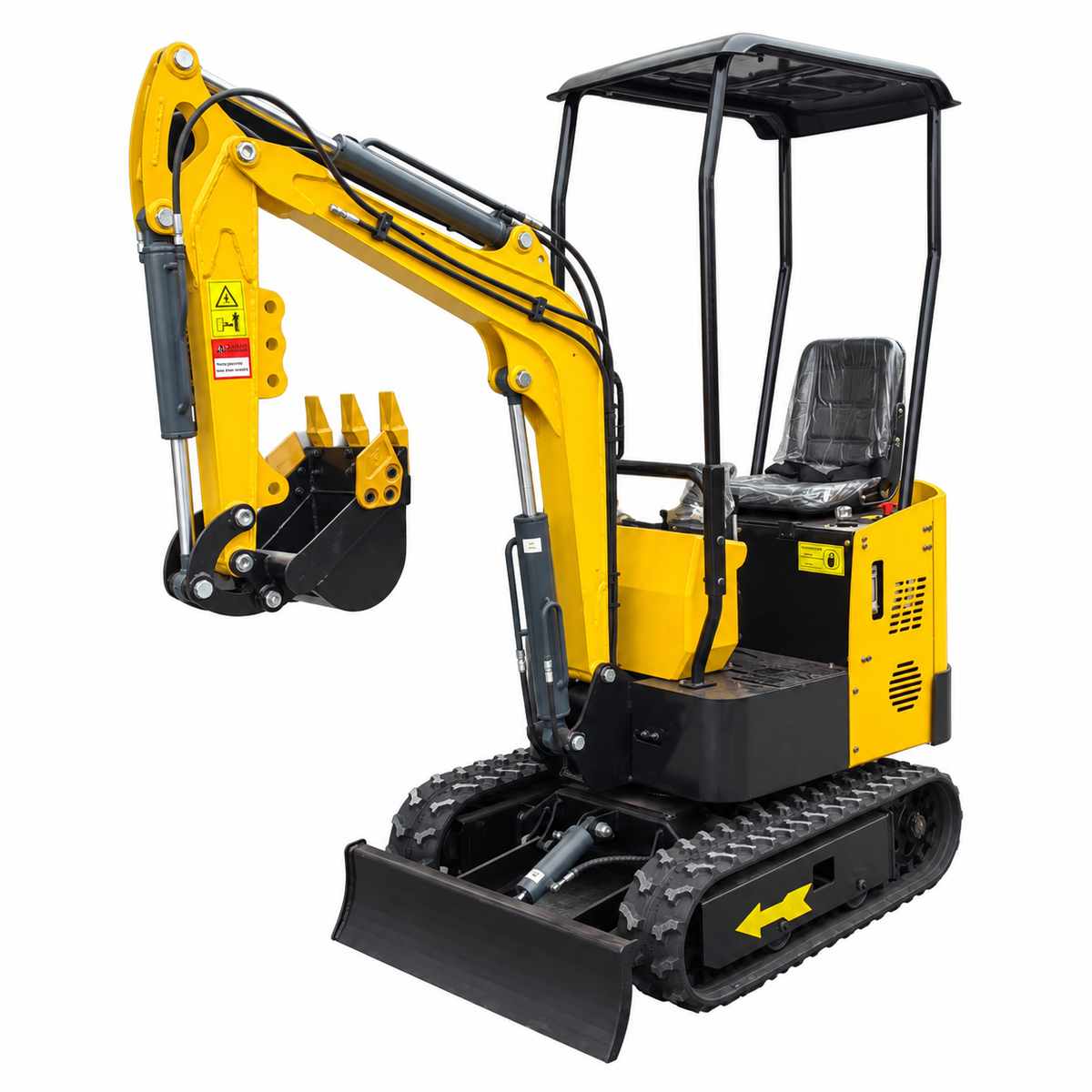
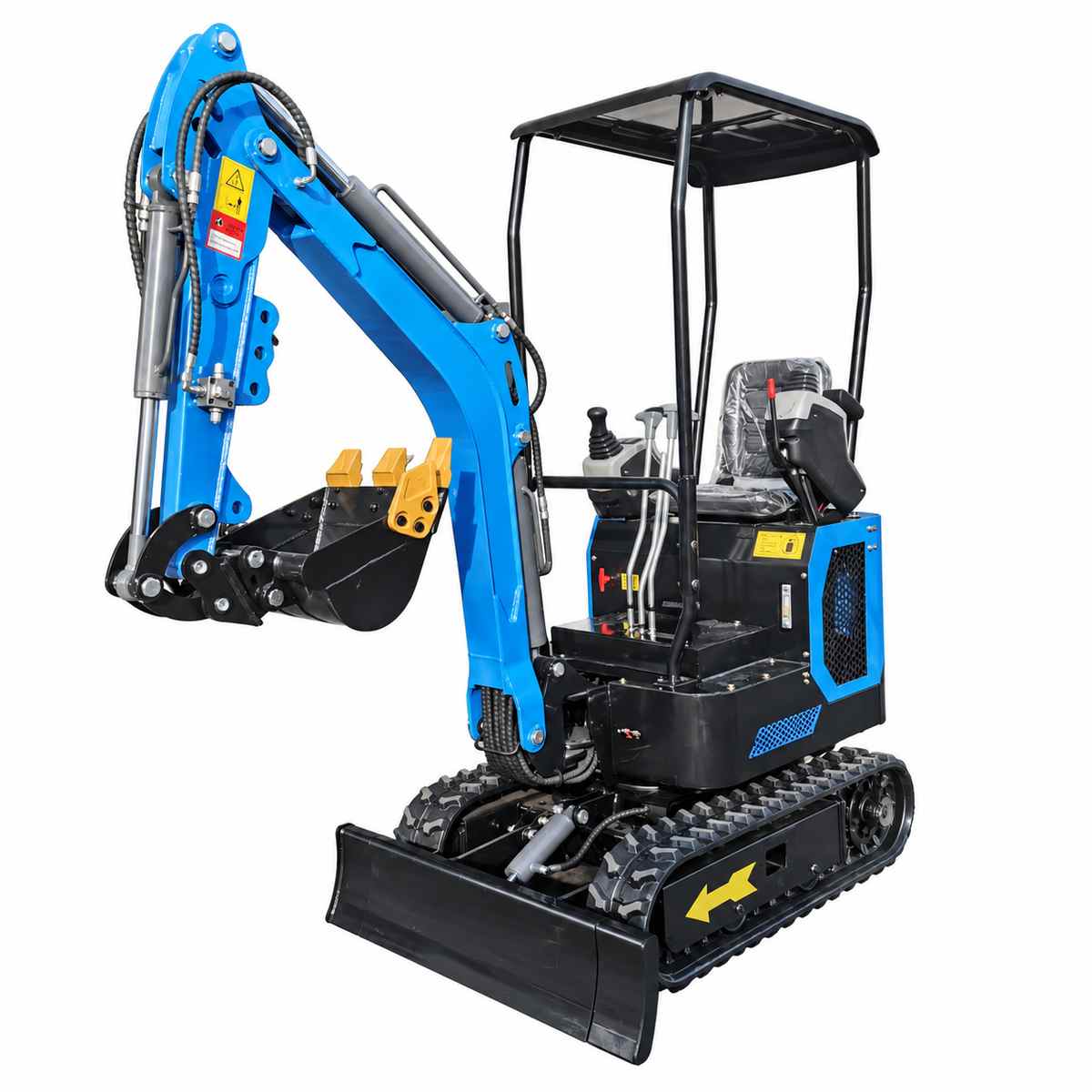
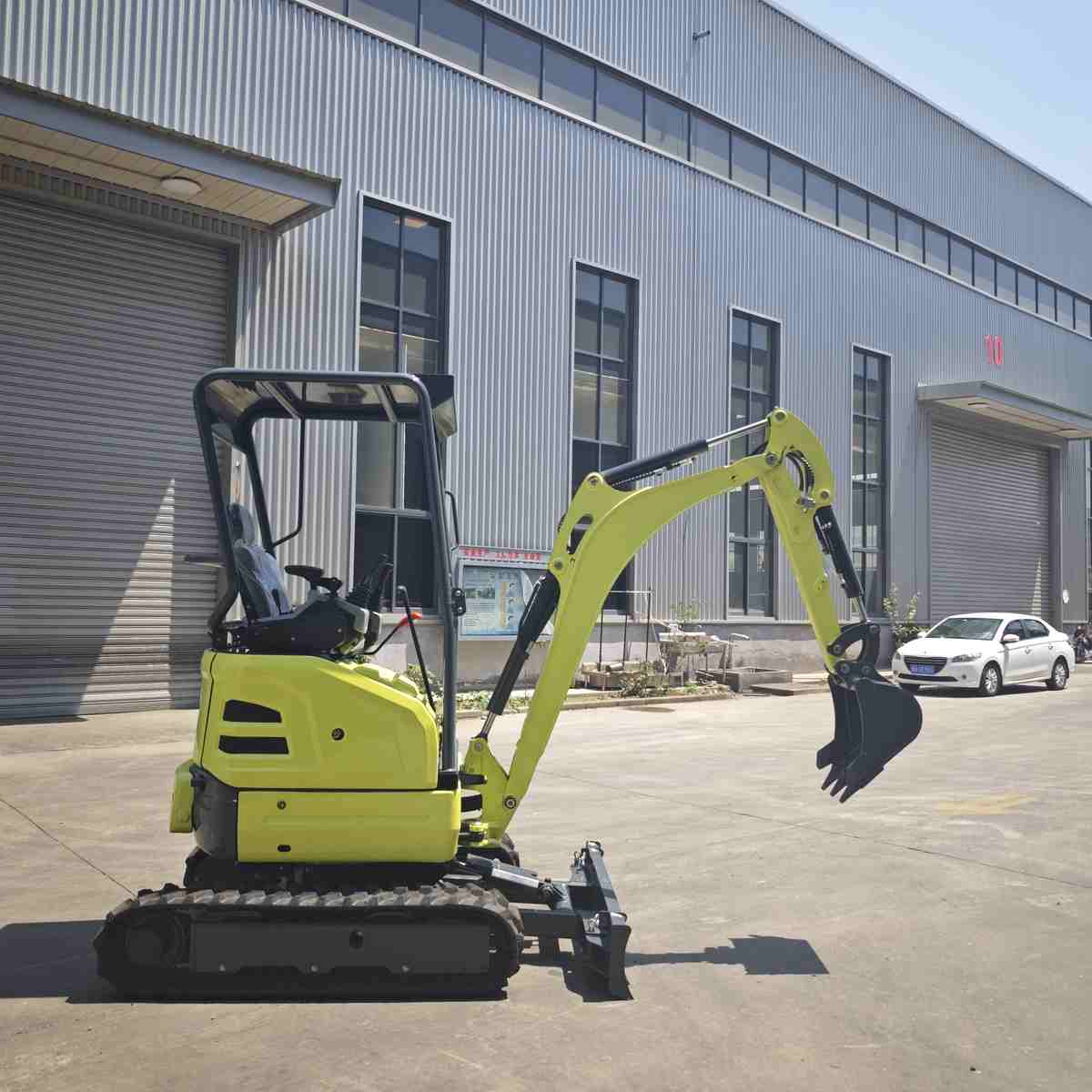
の The GW18 product page is one example of a compact configuration to review. Its dimensions and specifications belong in the machine comparison. Whether a lawn route can support it needs a separate assessment of the actual ground, especially where hidden structures or filled areas may be present.
Turning can be harder on turf than straight travel
Tracked machines change direction through the movement of their two tracks. A tight turn can rub or shear the grass surface, especially if the ground is damp. That is why a lawn may show concentrated damage where the machine turns even when the straight sections look reasonably tidy.
Repeated turns in one spot can make a small damaged area much worse. If the garden layout permits a different route or more generous turning space, discuss that before the job. The aim is to plan movements with the operator, not to prescribe an improvised manoeuvre from a generic article.
Think about the way materials will move too. If the excavator must repeatedly turn to reach a soil pile placed in the wrong position, the layout may create unnecessary traffic. Moving the spoil area on the plan can sometimes reduce disturbance more effectively than changing the machine alone.
Repeated trips add up
One crossing and a day of repeated crossings are different demands on the ground. A short access strip may carry the excavator, wheelbarrows and other equipment many times. If every movement uses the same soft section, visible damage can develop even when the first crossing seemed acceptable.
Plan the order of work so the machine does not block its own route. Identify where it will start, where excavated soil will go and how it will leave. If the project has several stages, consider whether equipment can be positioned to avoid repeatedly returning through the lawn.
Keep the route under review during the job. Deepening tracks, movement around an edge or unexpected soft patches are reasons to reassess, not simply evidence that the machine has almost finished passing. A revised work sequence or delay may be necessary. The condition of the route can change as the day progresses.
| What you notice | What may be contributing | What to discuss before more traffic |
|---|---|---|
| Deep marks after rain | Weak or wet soil | Timing and the ground’s suitability |
| Torn turf at corners | Concentrated turning movements | Route and turning space |
| Damage in one narrow strip | Repeated traffic through the same area | Work sequence and material handling |
| Marks beside paving | Edge support or an uneven transition | Surface and underlying support |
| Damage around a soil pile | Restricted working arrangement | Spoil location and access |
Surface protection needs the right support beneath it
Ground-protection mats can be part of an appropriate access plan, but they need to suit the load, ground and installation. A random piece of timber is not automatically an adequate load-spreading system. Thin boards may move, crack or create uneven transitions. Ask the operator or a competent supplier about a suitable arrangement.
The protected route must cover the places where the machine actually travels and turns. A straight protected strip that ends before the awkward corner may leave the most vulnerable point exposed. Include transitions between hard surfaces and soil, because changes in level can create additional difficulties.
Protection also cannot establish the load capacity of a hidden cover, buried structure or unsupported edge. If those features are present or suspected, obtain an assessment before equipment crosses them. Keeping the grass tidy is secondary to ensuring the route itself is suitable.
A smaller excavator may help, with tradeoffs
A smaller machine can reduce some access and load demands, but it may require more movements or repeated material handling for a given project. A larger machine may finish a particular digging task with fewer positions but impose a greater load. The balance depends on the job and site.
Do not choose a machine so small that the work becomes awkward, then assume the lawn benefits automatically. Equally, do not choose a larger model merely to reduce the number of digging cycles. Compare access, weight, working range and soil-handling arrangements together with a competent operator.
The site’s landscaping and yard projects page can help you describe the intended work. Add a route sketch and identify soft areas, irrigation features and finished surfaces. Request advice about the entire project rather than a promise of no lawn marks.
Plan the repair without hiding the cause
If the lawn is marked, first establish whether the problem is surface scuffing, depressed soil or a wider drainage issue. The appropriate repair depends on the damage and grass conditions. Filling a rut casually while the ground is still wet can leave an uneven area or fail to address why it formed.
Wait until the site can be assessed and repaired appropriately. Garden repair may involve restoring levels, addressing compaction and re-establishing grass, but the method should suit the soil and season. If water repeatedly collects in the route, investigate that problem rather than reseeding the same damaged strip after every project.
Before work starts, photograph the route and agree how any necessary reinstatement will be handled. This gives everyone a clear record and realistic expectations. Good planning cannot promise that a lawn stays perfect, but it can prevent avoidable traffic and make the recovery work easier to identify.
What to tell the operator before arrival
Describe when the route becomes wet, where water collects and whether the lawn covers old trenches or filled ground. Mark irrigation pipes and any known covers. Explain which surfaces need particular protection and where the machine may stand during the work.
Show the proposed soil pile and exit route as well as the digging area. For a mini excavator for backyard projects, those practical details help determine whether the plan needs different timing, protection, equipment or material handling. Lawn protection works best when it is built into the job rather than added after the first rut appears.
If you need model-specific advice, send your site measurements and a description of the work through the form below.
Do rubber tracks prevent lawn damage?
No. They can distribute load differently, but machine weight, turning, repeated traffic and soil moisture still matter. Rubber tracks can leave ruts or tear turf when conditions are unsuitable.
Will a smaller excavator always leave fewer marks?
Not necessarily. Lower weight may help, but the smaller machine may need more trips or positions. Assess the complete job, including spoil handling and access, rather than comparing machine size alone.
Can I use ordinary boards as a trackway?
Do not assume ordinary boards are an adequate protection system. The material, thickness, support, load and transitions need to suit the route. Obtain advice on a purpose-suitable arrangement instead of improvising from whatever timber is available.
Should work continue once ruts begin forming?
The changing route needs reassessment. More traffic may worsen damage or reveal an unsuitable surface. Discuss timing, protection or a revised method with the operator before treating the existing tracks as a reason to continue.
What is the most useful precaution?
Plan the complete access and material-handling route before delivery, and assess the ground close to the work date. Include turning areas, soft patches and the exit. A suitable work sequence reduces avoidable traffic across the lawn.