
このガイドでは
A remote control mower can leave strips because successive passes do not overlap enough, tall stems bend ahead of the cutter, ground height changes or the cutting system needs attention. The pattern of the missed grass helps identify the cause. Long straight lines between passes suggest a different problem from irregular patches inside the area the deck has already crossed.
Before repeating the whole job, stop the mower according to its instructions and look at the result from outside the working area. Note whether the grass is uncut, flattened or roughly torn. Do not inspect the cutting system while it can move. A useful diagnosis starts with the pattern, not with an immediate assumption that the mower needs a wider deck.
Straight narrow lines often point to the route
The nominal cutting width describes the intended width of the cutting system. It does not mean that steering adjacent passes with no visible overlap will reliably cover every stem. Small changes in direction can leave narrow lines between paths, especially when the operator is viewing the mower from an angle.
On a remote control mower, distance and sightline can make alignment harder to judge. A tree or low panel may hide one side of the deck. If you cannot see the machine’s relationship with the previous pass, do not keep guiding it by guesswork. Reassess the operator position and route within the manufacturer’s instructions.
Plan a visible reference for each pass and use the overlap appropriate to the machine and task. The exact amount is not universal. Follow the operating guidance and adjust the work plan based on a short representative trial. A machine’s full body width is not a substitute for its actual cutting width.
Bent stems can look like missed cutting
Long grass may bend as the machine approaches or passes over it. Some stems can remain low temporarily, then rise after the mower has moved on. The plot may look evenly reduced at first and reveal taller patches later. This is particularly relevant when the growth is dense or already lying in different directions.
Check whether the mower and head are intended for the vegetation. Ordinary lawn grass, coarse weeds and woody stems are different tasks. If the material is outside the machine’s approved use, changing the route will not make it suitable. Ask about the exact cutting configuration rather than relying on the broad label remote mower.
A staged cut may be appropriate where the instructions permit it. A higher first pass can reduce the amount of growth presented to the cutter before a later finishing stage. That is a work-planning option, not permission to lower the machine repeatedly over ground whose shape and debris have not been checked.
Patches inside a pass suggest another question
If the missed grass is clearly within the deck’s path, lack of overlap may not be the main cause. The ground could dip below the cutting plane, a clump could have passed beneath unevenly or the cutter may need inspection. Distinguish these situations before changing the entire route.
Walk the stopped, secured area where appropriate and look for hollows or raised patches. A mower follows the ground through its running gear, but its deck does not reproduce every small change in soil level. A low patch may retain taller grass even when the adjacent surface is cut closely.
Do not use a lower cutting height as a universal correction. It may make a raised patch scalp while leaving the underlying unevenness unchanged. A rough plot may need a different finish expectation or ground treatment before it can look like a fine lawn. Mowing cannot level the soil beneath the grass.
| Missed-grass pattern | A possible cause | First useful question |
|---|---|---|
| Narrow straight lines between passes | Route alignment or insufficient overlap | Can the operator see both the deck edge and previous pass? |
| Tall stems that rise later | Growth flattened during mowing | Is the vegetation and cutting method suitable? |
| Repeated patches in hollows | Uneven ground | Is the deck clearing the low area? |
| Ragged ends across much of the plot | Cutting conditions or cutter condition | What does a safe inspection show? |
| A poor finish that worsens during work | Accumulated material or a developing fault | Should work stop for assessment? |
Travel pace and growth density affect the finish
A machine moving through sparse grass may cut well at a pace that is unsuitable in a denser patch. If the cutter is presented with too much material, the result can deteriorate. Use the permitted operating method and reassess when vegetation changes instead of assuming one pace suits the whole property.
A short test strip is useful. Choose a representative area and look at the finished grass and cuttings after stopping safely. If the result is uneven, alter only a suitable part of the method at a time, following the instructions. Changing height, route and pace together can make it harder to tell what actually helped.
Avoid treating an engine-speed change as an obvious remedy. The correct operating settings depend on the machine and cutting system. If the manual specifies a setting, follow it. Do not improvise adjustments to compensate for a fault or an unsuitable attachment.
Cutting components need a safe, model-specific check
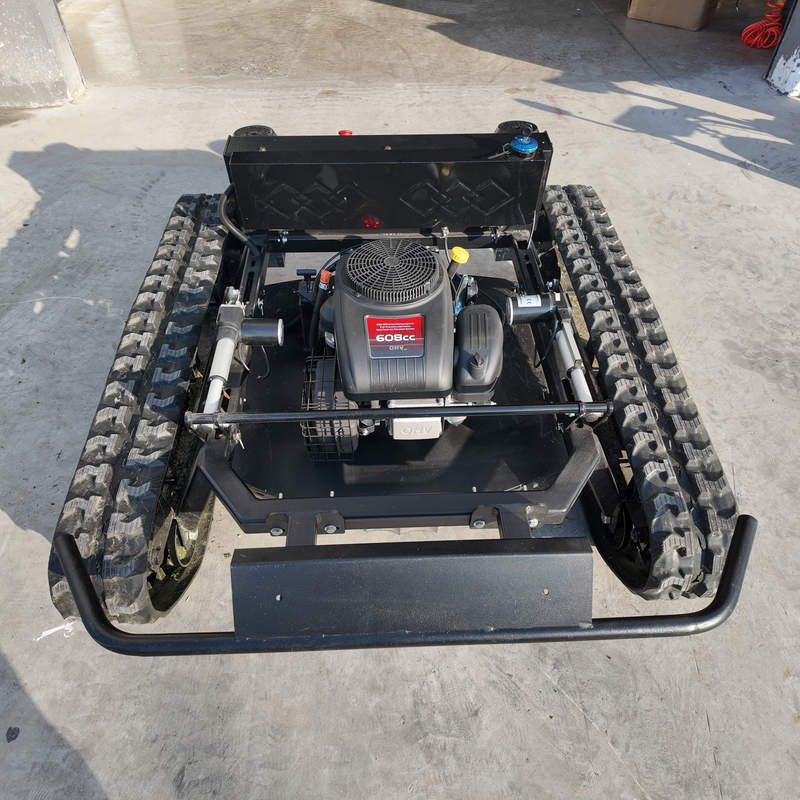
A damaged or worn cutter can affect the result. The way to inspect it depends on the machine’s isolation and maintenance procedures. Switch-off alone may not cover every stored-energy or moving-part hazard. Use the actual manual and obtain qualified service where required.
Do not reach beneath a machine because its remote controller appears inactive. The equipment needs to be secured and isolated according to the instructions before inspection, cleaning or adjustment. Likewise, an unusually strong vibration, impact or new noise is a reason to stop and assess the machine, not merely to change the mowing route.
For general principles, the HSE guidance on safe machinery use and maintenance is a useful external reference. It does not provide a repair procedure for a particular mower. Part identification, fastener requirements and replacement instructions need to come from the correct model documentation.
Wet material and clumps can complicate the view
Damp grass can collect differently from dry growth. Clumps may conceal uncut areas or make a cut patch look taller than it is. Before deciding that the cutter missed everything beneath a pile, distinguish standing grass from loose cut material after the machine is stopped and secured.
The desired finish also matters. A machine used for rough vegetation reduction may leave material distributed across the ground. That is different from a mower intended to produce a tidy lawn finish or collect clippings. Ask what the actual cutting system is designed to leave behind.
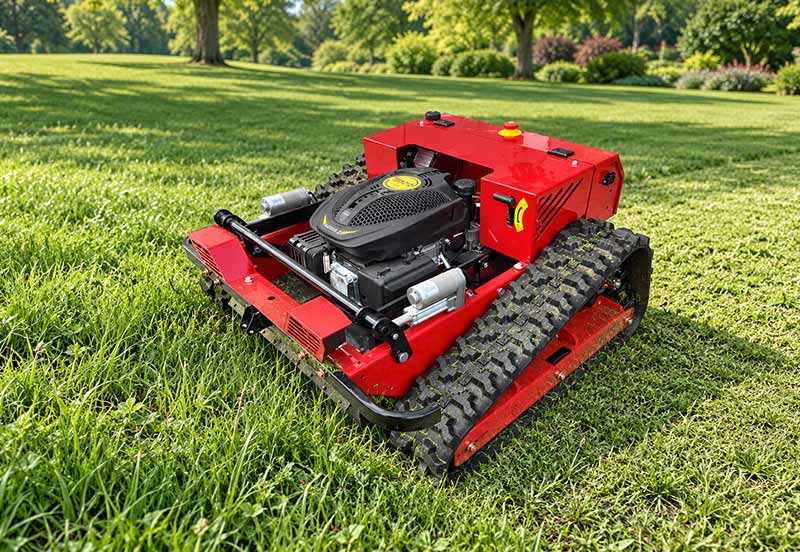
の The Tank Gasoline Lawn Mower and YM-550 brushless gasoline mower are distinct configurations on the site. Use their individual information when discussing a finish problem. Do not assume a method shown for one model applies to every remote control mower.
Send a support request that shows the pattern
A wide photograph of the finished area is often more useful than a close-up of one long stem. Show the direction of travel and mark where the mower turned. Add a closer photograph of the grass condition, taken with the machine stopped and secured. Record whether the problem appeared from the beginning or developed during the job.
Include the model, serial details, cutting configuration and settings used according to the manual. Describe vegetation height, density, dampness and any recent impact. If you send a video, record it without entering the operating area or distracting the person controlling the mower.
This information helps distinguish an alignment issue from an equipment or ground problem. It also prevents unnecessary parts purchases. A new blade will not correct a narrow missed line between poorly aligned passes, and more overlap will not repair a damaged cutter.
Judge the whole result before the next session
After the job, note where another method was needed: edges around trees, awkward corners or sections that stayed too wet. A mowing plan can include areas left for a trimmer or later work. The goal is a manageable property, not proving that one machine must cover every centimetre.
If the plot will be maintained regularly, compare the next session with the same reference areas. This gives you a clearer picture of whether a route change improved the finish. A simple record of conditions and results is more useful than guessing that the mower sometimes cuts better for no reason.
If you need model-specific advice, send your site measurements and a description of the work through the form below.
Should every pass overlap?
Use the overlap and route suitable for the machine and task. Cutting width alone does not guarantee that perfectly adjacent steering paths will cover every stem. A short trial and clear sightline can reveal whether alignment is leaving narrow gaps.
Why does grass stand up again after mowing?
Some long stems may have been bent rather than cut. Growth density, direction and cutting conditions can contribute. Check that the mower is suitable for the vegetation and assess the method before simply repeating the same pass.
Will lowering the deck remove every missed patch?
No. Uneven ground, alignment or cutter condition may be the cause. Lowering the deck can scalp raised areas without fixing hollows. Use the approved height range and address the actual pattern of the problem.
Can I look underneath while the controller is switched off?
Follow the machine’s complete isolation and maintenance procedure first. A controller that appears inactive is not proof that inspection is safe. Do not approach moving cutting components or improvise access beneath the machine.
What should I send to technical support?
Send the model and serial details, a wide view of the missed-grass pattern, travel direction and a description of the vegetation and conditions. Include the cutting configuration and any recent impact, vibration or change in behaviour.