
Trong hướng dẫn này
Sometimes a suitable mower can reduce long grass in one pass, but one pass is not always the best target. Tall growth can hide debris, lie flat beneath the deck or leave heavy clumps after cutting. The sensible approach is to inspect the area, identify the vegetation and use a cutting height and travel pace allowed by the mower’s instructions. For an overgrown plot, a staged cut is often easier to control than trying to produce a finished lawn immediately.
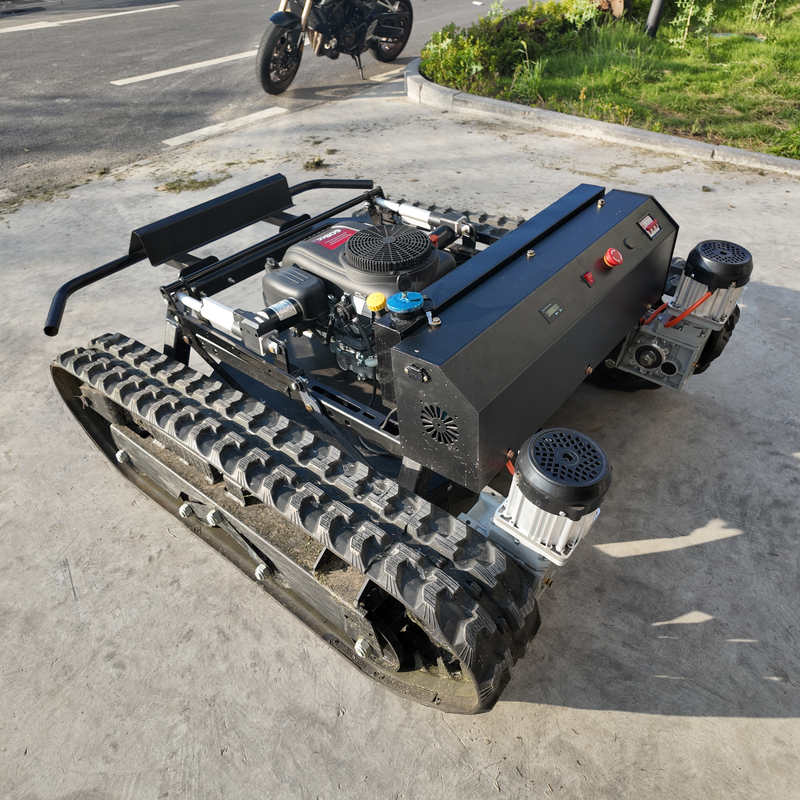
A remote control mower for tall grass still has limits. Remote steering changes where the operator stands. It does not make the cutting head suitable for every woody stem or hidden object. Before choosing a method, decide whether the job is ordinary long grass, coarse weeds, brambles or mixed debris. Those are different cutting problems.
First decide what “finished” should look like
An ornamental lawn and a rough field margin do not need the same result. If the aim is to make an overgrown plot accessible, a higher first cut may be useful even if the surface looks untidy. If the aim is a lawn people will use, the job may also include collecting clumps, repairing damaged patches and establishing a regular mowing routine.
Trying to achieve a short, even finish immediately can cause unnecessary trouble. Long material may be pushed over before the cutter reaches it. Dense growth may load the cutting system heavily. Cuttings can gather beneath or behind the mower and hide missed patches. These problems are not solved simply by driving across the area once more at the same speed.
For a maintained lawn, avoid treating overgrown rough vegetation advice as normal grass-care advice. Grass species and conditions affect suitable cutting height. The Royal Horticultural Society's lawn mowing guidance provides useful context for lawn care. A brush-clearing machine’s ability to reduce vegetation is a different question from how to keep fine turf healthy.

Look for what the grass is hiding
Inspect the plot before mowing. Fallen branches, wire, stones, forgotten garden tools and loose irrigation tubing can disappear beneath tall growth. Do not use the mower as a way to discover what is there. If the area cannot be inspected adequately, arrange a more suitable preparation method before cutting.
Look at the ground as well as the vegetation. A dry top layer of grass can hide wet soil, a rut or a shallow ditch. An old fence line may contain wire and posts. A plot beside a building can contain rubble. Describe these features when asking about a mower rather than presenting the task as simply tall grass over a certain area.
Keep people, pets and parked vehicles outside the work area specified for the machine. Remote operation does not stop a cutter from throwing objects. If someone enters the area, use the stopping procedure before continuing. The actual manual should determine separation and operation requirements; do not borrow a distance from another model.
Match the cutting head to the growth
Many people use lawn mower, brush cutter and flail mower as if they were interchangeable terms. The cutting mechanisms and approved vegetation differ. A rotary grass deck may be designed for grass and light weeds. A flail head uses multiple moving cutters on a rotor. Specific blades, guards and power systems still determine what an individual machine is intended to cut.
Do not assume that the word heavy-duty proves suitability for thick woody growth. Ask for the permitted material type and any stated cutting limit for the exact configuration. A video showing a machine moving through vegetation is less informative than a clear description of the head, grass condition, travel pace and finished result.
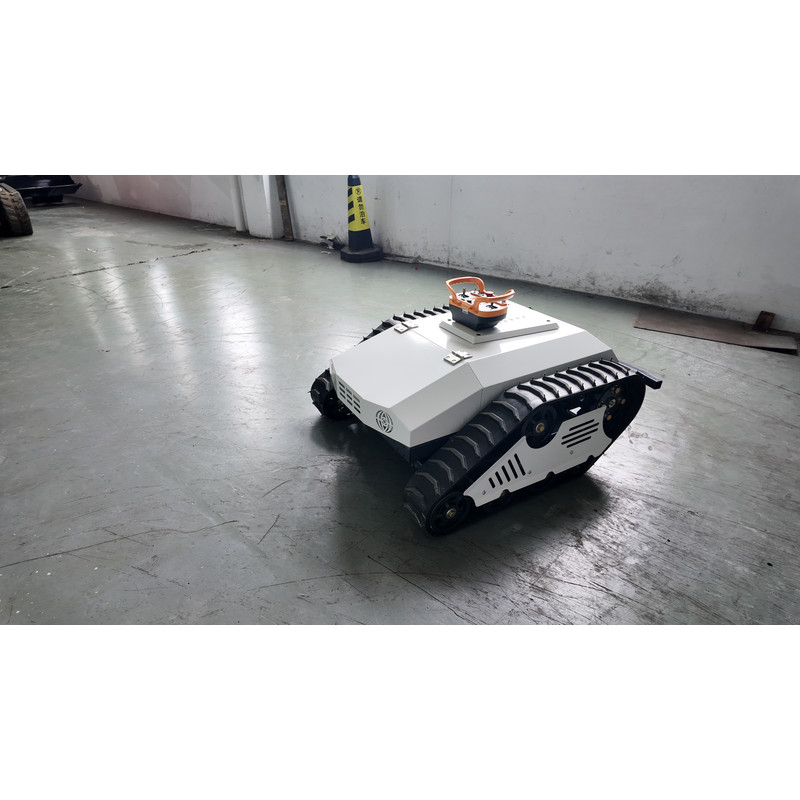
Jiasheng Xinying lists a Tank Gasoline Lawn Mower as well as remote-controlled diesel brush cutters. Treat them as separate configurations to compare. Their names do not establish that their cutters or vegetation limits are identical.
Use the first pass to reduce the burden
Where the instructions allow height adjustment, a higher initial setting can reduce the amount of material entering the cutter at once. The aim is to establish a manageable first cut rather than leave the final desired height immediately. Confirm the adjustment procedure and permitted conditions for the mower before changing settings.
Start with a small representative area. Observe the finished grass, the cuttings and the machine’s response. If vegetation is being flattened, the cutter sounds strained or clumps form, stop and reassess the method. Do not keep increasing travel speed to cover more area while the result deteriorates.
A small trial also helps reveal what one pass means on your plot. One strip of sparse grass may cut cleanly while a nearby patch of coarse wet growth behaves very differently. Estimate the job from representative conditions, not from the easiest straight strip near the entrance. Allow time for inspection, turns, edges and interruptions.
| What you see after a short trial | A possible explanation | What to reassess |
|---|---|---|
| Long stems lying flat | Growth may be too dense or bent ahead of the cutter | Vegetation suitability, height and permitted travel pace |
| Heavy clumps | Too much material or damp growth | Conditions, staged cutting and cleanup needs |
| Missed narrow strips | Insufficient overlap or awkward steering | Route and visibility |
| Ragged cut ends | Cutter condition or unsuitable cutting conditions | Inspection under the manual’s safe isolation procedure |
| Ground scuffing | Turns or ground conditions | Route, surface suitability and timing |
Decide whether a second pass adds value
After the first cut, stop and assess the area safely. You may find that a second pass is useful after loose material has settled or conditions improve. You may also find that the remaining work is edging, collecting clumps or removing debris. Sending the same mower over the whole plot again may not address the actual problem.
If a second pass is appropriate, its height and route should follow the machine’s instructions and the intended grass finish. Repeatedly cutting lower over rough ground can expose soil, strike uneven patches or leave a poor surface. A lower setting cannot correct ruts or level an uneven garden.
For lawn restoration, the longer-term routine matters. A single dramatic cut is not the same as regular care. Once growth is manageable, use a schedule and cutting height suitable for the grass and season. If the plot is intentionally rough grass, a different maintenance frequency and finish may be perfectly appropriate.
Cuttings can decide how tidy the result looks
The mower may reduce the grass successfully yet leave a surface covered in bulky material. Whether to collect it depends on the site, intended use and grass-care plan. A thin distribution of suitable lawn clippings is different from dense mats of long cut material. Do not assume that all cuttings will disappear quickly.
Look especially at paths, drains and places where people walk. Material left across a route can need separate cleanup. Avoid letting cuttings accumulate in drainage features. If the mower does not collect material, plan that part of the job before starting rather than discovering afterward that the plot is cut but still difficult to use.
A useful equipment demonstration shows the ground after mowing. Ask to see the remaining cuttings and missed patches as well as the machine in motion. This helps distinguish a successful vegetation reduction from the lawn-like finish you may have pictured. The two outcomes can require different equipment or additional work.
Plan the next cut while the first is still fresh
Record where the mower struggled, where debris was found and which sections needed another method. A simple sketch prevents the same surprises during the next session. If one strip stays wet or one corner is too tight, make it a known boundary in the maintenance plan.
For a remote control mower for tall grass, useful inquiry photos show vegetation height beside a familiar reference, the density at ground level and the wider terrain. Add the desired finish and likely mowing frequency. The site’s orchard and farm maintenance page gives examples of vegetation-management contexts, but your own ground conditions should lead the choice.
Nếu bạn cần lời khuyên dành riêng cho mô hình, hãy gửi số đo trang web của bạn và mô tả công việc thông qua biểu mẫu bên dưới.
Is a one-pass cut always quicker?
No. A rushed pass can leave clumps, missed areas or flattened grass that needs more attention later. Compare the whole job, including preparation and cleanup. A staged method can be more manageable when the growth is dense or the desired finish is relatively tidy.
Can any remote mower cut tall weeds?
No. The control method does not establish the cutting head’s vegetation limits. Check the exact cutter, guards and manufacturer instructions. Woody weeds, brambles and grass should not be treated as the same material simply because they grow together.
Should I lower the deck as far as possible?
Not as a general approach. Use a setting appropriate to the mower, ground and intended grass care. A very low setting on rough ground can cause scalping or contact with the surface. Start with the manufacturer’s guidance for the actual conditions.
Why does cut grass remain standing in patches?
Possible reasons include flattened stems, insufficient overlap, dense growth, cutter condition or uneven ground. Inspect the result from a safe stopped state and identify the pattern. Repeating the same pass without understanding it may leave the same patches again.
What should a supplier see before recommending a mower?
Send photographs of the growth and ground, describe the vegetation types, and explain the desired finish. Include obstacles, slopes, access and mowing frequency. This lets the discussion focus on the cutting task instead of an area figure or the appeal of one-pass mowing.