
Trong hướng dẫn này
Measure a side passage by recording its narrowest clear width, its lowest overhead obstruction, every change in level and the turns at both ends. Then compare that complete route with the exact mini digger being supplied. One width measured between the house and fence cannot describe a passage with projecting pipes, a gate threshold and a tight corner behind the garage.
A useful survey is something another person can understand without standing beside you. A sketch, labelled measurements and photographs taken from both directions usually communicate more than an unlabelled collection of numbers. When choosing a mini excavator for narrow access, the aim is to explain the route accurately enough for the supplier or operator to assess it, rather than to decide suitability from a tape measure alone.
Start where the machine will leave its transport
Walk from the proposed unloading area to the work area. That route may include a driveway, gate, side passage and patio. Measure it in that order and give each section a simple label on your sketch. Starting only at the side gate can miss the turn needed to leave the driveway or the narrow space between a parked vehicle and the building.
Record whether the unloading point is agreed or merely a possibility. A transport vehicle may need more room than expected, and the machine still needs a suitable way to travel from it to the passage. Access from a public road, a shared drive or a neighbouring property can introduce arrangements that need resolving before delivery day.
Look at the return journey too. Building materials, excavated soil or a newly dug trench may change the available route while work is underway. Your sketch should show where the machine will stand at the end of the work and how it can leave without crossing an unsupported edge or dismantling completed landscaping.
Take widths at more than one height
Measure the actual clear opening, including hinges, latches and the secured position of the gate leaf. A nominal gate size is less useful than the distance between the closest obstructions. If a fence post leans or a wall is irregular, check several points rather than assuming a constant width throughout the passage.
Measure near ground level and again where the machine’s body will pass. A low retaining edge can restrict the tracks while a pipe halfway up the wall restricts the upper structure. The controlling measurement may occur at a different height from the one that seems tightest when you walk through the passage.
Write down the location of each narrow point. A width at the entrance, a width beneath a tap and a width beside a drainpipe are different pieces of information. Photos with those locations marked help prevent a supplier from assuming that the largest number applies to the whole route.
Do not round a measurement upward to make it easier to remember. Record the unit beside every value and check your notes before sending them. Confusing centimetres and millimetres can turn an accurate survey into a misleading description of the space.
Describe corners as shapes, not just angles
At a corner, measure the width on both sides of the turn and the distance available before the next obstruction. Show whether the inner corner is a sharp house wall, a removable bin store or a gatepost. A machine’s length and front attachment need room to change direction, so a ninety-degree turn cannot be assessed from passage width alone.
If an opening lies immediately after a corner, mark the setback between the corner and gate. That short straight section may be crucial. It determines how much of the machine can align with the opening before the front reaches it. A wide garden beyond the gate does not necessarily compensate for a very restricted approach.
Photograph the corner from a position that shows both legs of the route. A close-up taken straight at the gate can hide the return wall entirely. Avoid wide-angle images as the sole evidence because they may make the space appear more generous than it is. Pair photographs with the measured sketch.
Measure above and below the track route
Check the lowest point beneath a carport, archway, gutter, branch or cable. Identify the obstruction rather than writing only a height. A flexible branch and a building beam need different treatment, and an overhead service should be discussed with the appropriate responsible person. Never plan access on the assumption that the operator can simply duck beneath something.
A height measurement also needs a reference to the ground beneath it. A raised paving slab or ramp can lift one part of the machine closer to a beam. A sloping surface can change the position of the canopy as the machine moves. Where levels change, record the shape of the route rather than relying on one vertical measurement.
At ground level, note thresholds, steps, drains and depressions. You do not need to design a crossing yourself. You do need to make it clear that the feature exists. A photo with a ruler or tape showing a step’s rise can be useful, accompanied by a measured tread depth and the space available on either side.
| Route feature | Useful measurements or notes |
|---|---|
| Straight passage | Clear widths at each restriction and relevant heights |
| Gate | Posts, hinges, latch, open leaf and threshold |
| Corner | Width of both legs, inside obstruction and available straight lengths |
| Low structure | Lowest clear height and the ground profile beneath it |
| Step or raised edge | Rise, tread or crossing depth and approach space |
| Working area | Available length and width, soil handling route and exit |
Add information that a tape cannot provide
Write down the surface type and its apparent condition: block paving, concrete, gravel, lawn or exposed soil. Identify cracked slabs, soft patches and inspection covers. This does not prove load capacity, but it tells the person assessing access where further investigation may be needed.
Also mark known services and any uncertainty about them. Side passages commonly carry drainage and utility routes. A narrow excavator may fit over a chamber while the cover beneath it is unsuitable for the load. Keep cover locations visible on the plan even if temporary protection is proposed above them.
List things that can genuinely be moved before delivery, such as pots, a freestanding storage box or a parked car. Distinguish these from fixed structures. Do not label a fence panel removable unless its removal is agreed and you know the clear opening that will result. Planning with an imaginary wider route leads to avoidable problems on arrival.
Compare the survey with the right specification
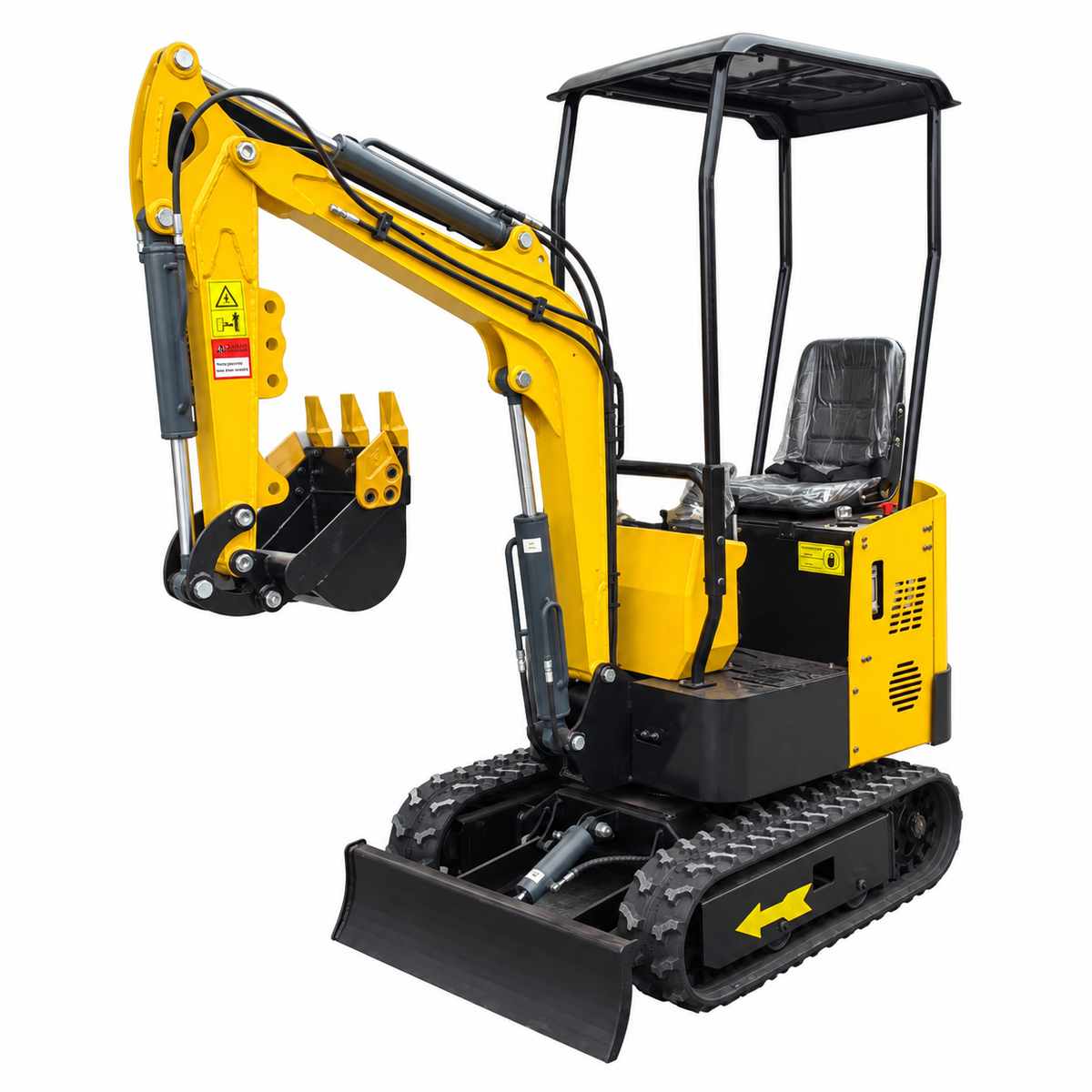
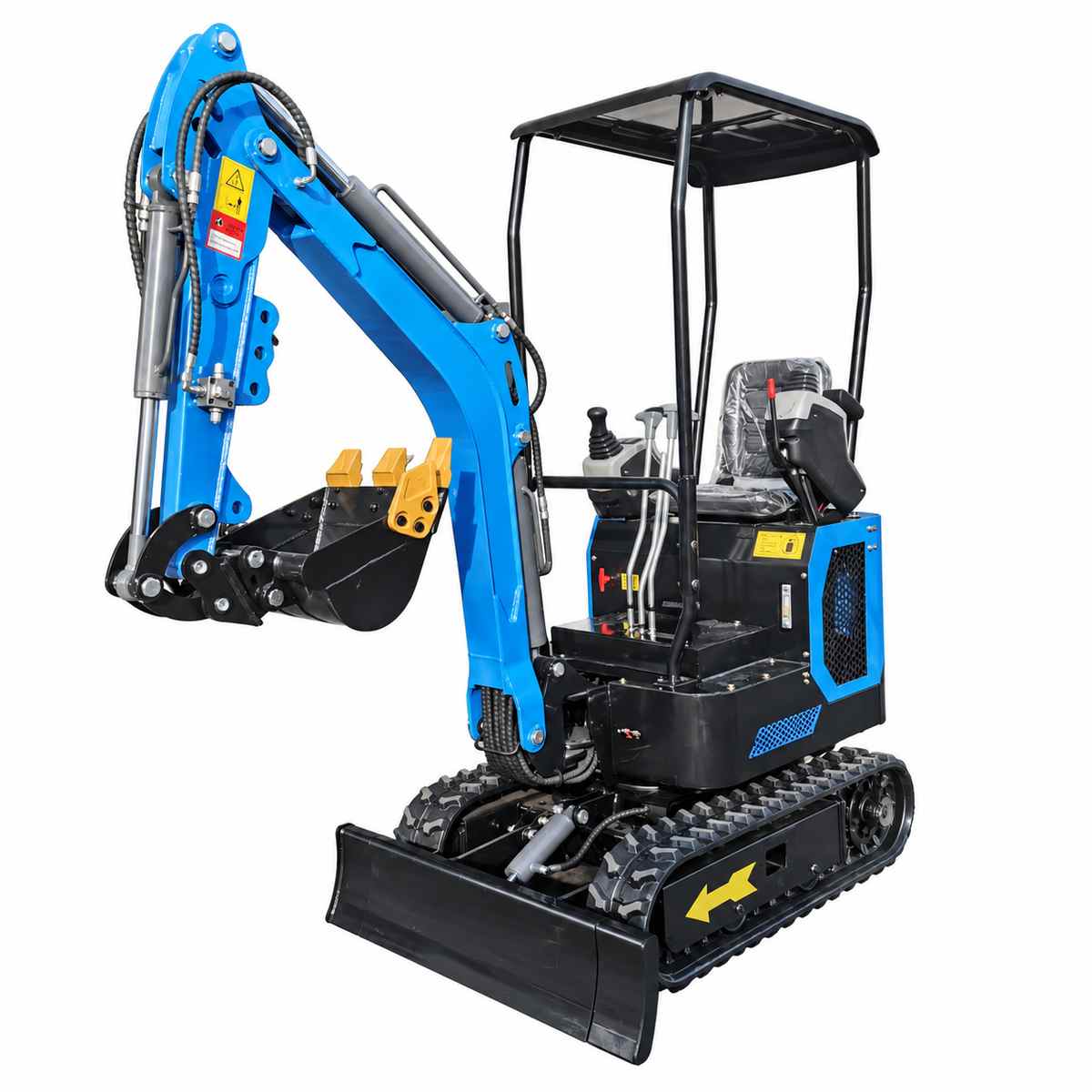
The published dimensions of the Máy xúc mini điều khiển cơ khí T10-1 include a 940 mm overall width in its listed configuration. That is an example of a number you can compare with your survey. It does not mean a route measuring just above 940 mm is suitable: the approach, surface, projections and operating clearance still need assessment.
Watch for the difference between the width of one track and the overall width across the machine. Watch also for several configurations under one model name. A canopy, cab, attachment or variable undercarriage may change the relevant dimensions. Ask the supplier to identify which figures apply to the machine that will actually arrive.
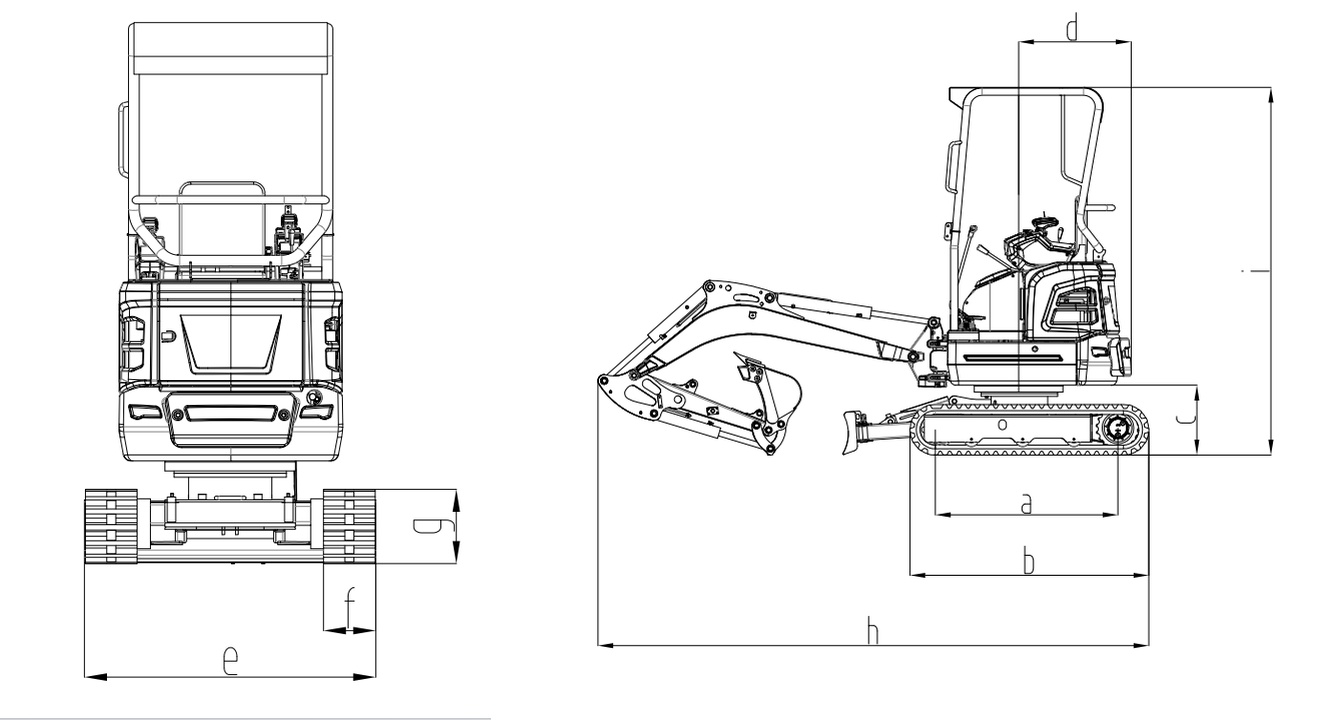
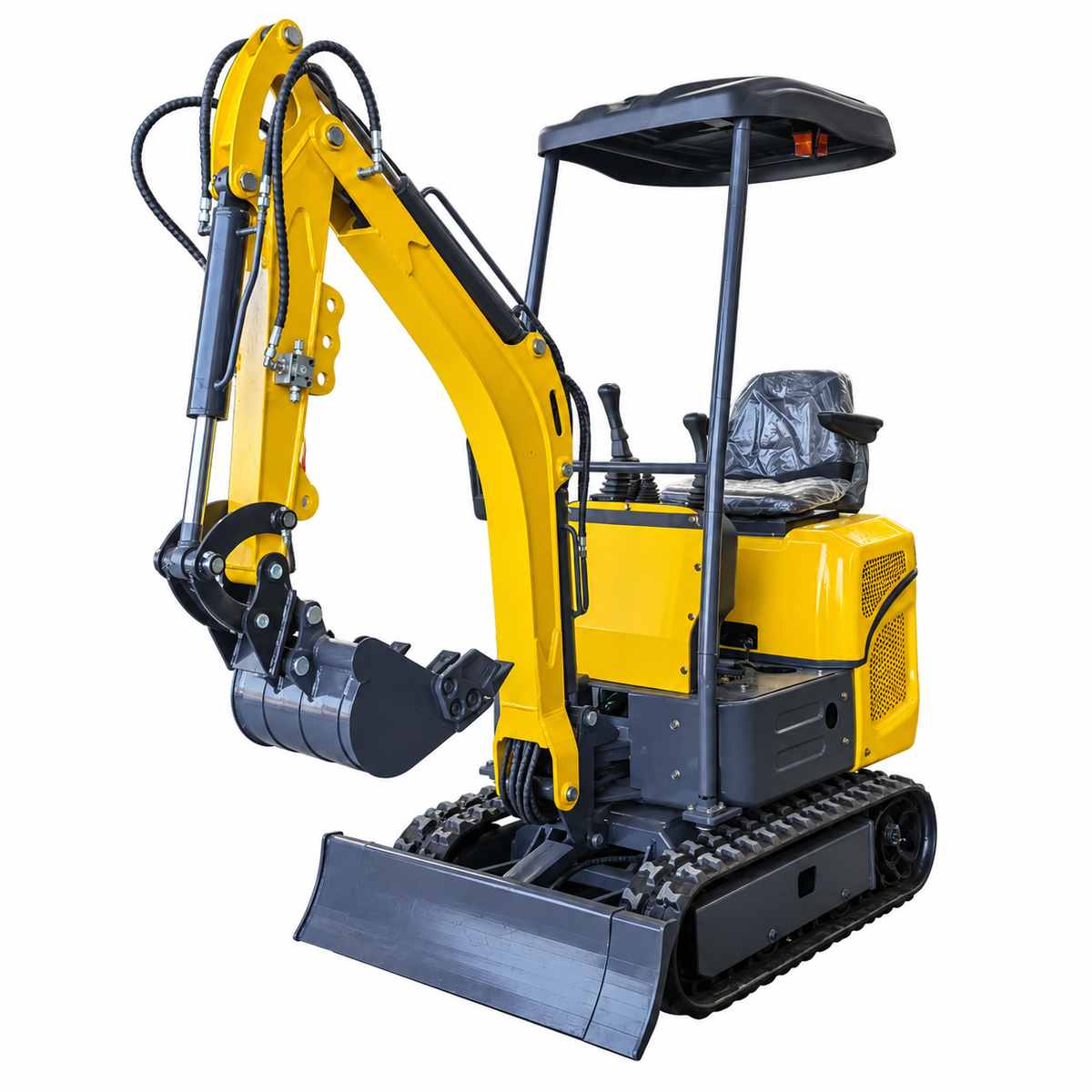
Các Trang sản phẩm GW18 provides dimensions and working-range information in separate groups. That distinction is useful: travel access and digging space need separate checks. You may have enough room to reach the garden but insufficient room to turn the upper body in the intended working position.
Send a small, clear access pack
Keep the first page simple. Include your route sketch, the minimum width, lowest height, main corner dimensions and the location of any steps or suspect surfaces. Add photographs in the same order as the route labels. A person reviewing the pack should be able to follow the journey without guessing where each image was taken.
Explain the job in one or two sentences: for example, excavating a planting area in the rear garden or digging a drainage trench along the side of the house. The task influences attachment choice and working room. Access measurements without the work description can result in a machine that enters successfully but cannot do what you need.
Các HSE excavator information is a useful safety reference alongside the supplier’s assessment and operating instructions. If a route remains doubtful, arrange inspection before booking machinery. Measurements are a way to expose difficult questions early, not a reason to force a machine through a space that has not been properly assessed.
Nếu bạn cần lời khuyên dành riêng cho mô hình, hãy gửi số đo trang web của bạn và mô tả công việc thông qua biểu mẫu bên dưới.
Which width should I report if the passage varies?
Report the narrowest clear width and show where it occurs. Include the other restrictions on a sketch so the assessor can understand the whole route rather than one isolated number.
Should I measure with the gate open?
Yes. Measure with the gate secured in the position it will occupy during access. Include hinges, catches and any part of the leaf that still projects into the opening.
Is a video enough instead of measurements?
A video can show the sequence of the route, but it does not provide reliable scale. Send it alongside labelled dimensions and a plan, particularly where corners or overhead obstructions are involved.
How much spare clearance should I allow?
Ask the supplier or operator to assess the route for the exact machine. The required clearance depends on geometry, surface and projections, so a universal allowance can be misleading.
Do I need to measure the garden as well?
Yes. The machine needs a suitable working position, room for the required movements and a way to handle soil and leave the site. Getting through the passage is only the first part.