Trong hướng dẫn này
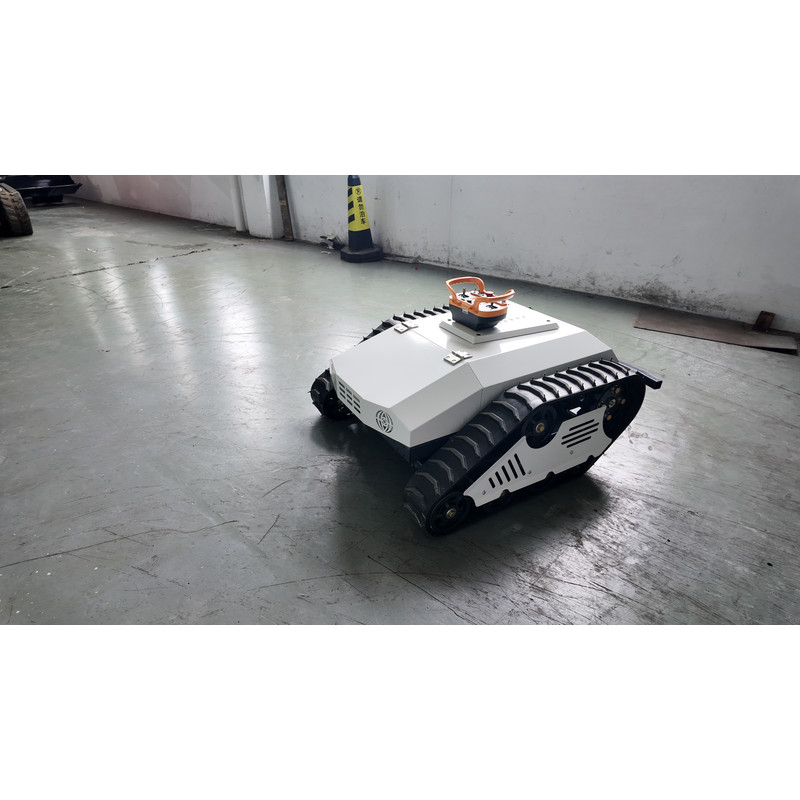
Remote control means a person can operate a mower from a separate controller. Autonomous mowing means the machine has a documented ability to carry out some mowing decisions through its own control system. One describes the location of the controls; the other describes who or what makes decisions. A mower can have remote control without any autonomous route planning.
This distinction changes the everyday experience of owning the machine. With a manually steered remote control mower, someone must be available to direct each cutting session. Buying one in the expectation that it will independently maintain the grass can therefore create a mismatch even if the mower performs exactly as designed.
Follow the chain from command to movement
With ordinary remote steering, the operator sees the mower’s position, decides where it should go and moves the controls. The radio system carries that command to the machine. Motors or other actuators then produce the movement. The fact that electronics are involved does not mean the mower chose the route.
An autonomous function adds a different kind of decision. Depending on the documented system, it may follow a mapped route, use a defined working area or respond to certain detected conditions. The scope varies. A machine that automatically maintains a selected setting does not necessarily navigate independently, and a machine that follows a route does not necessarily recognise every obstacle.
It helps to ask a direct question: after the mower starts cutting, what decisions does the human still make? A clear answer will reveal more than a long list of electronic components. If the person is continuously selecting direction and speed, the machine remains manually operated through the remote.
Automatic features can exist inside manual operation
Many machines contain functions that happen automatically without making the whole machine autonomous. An engine system may regulate aspects of operation. A controller may protect a component under specified conditions. A remote height-adjustment mechanism may move the deck when commanded. These features can be useful, but they do not establish independent mowing.
Even a stopping function should be described precisely. A documented emergency stop allows a specified intervention; a communication-loss response addresses another situation. Neither one alone proves that the machine detects people, distinguishes wanted plants from weeds or plans a route around a flower bed.
Avoid interpreting component language as a promise about the overall task. Brushless motor describes a motor technology. Electric start describes starting. Remote lifting describes adjustment from the controller. Each term has a narrower meaning than an advertisement suggesting that the mower looks after the whole property by itself.
Ask what the machine knows about its surroundings
A person steering a mower uses a great deal of context. They notice that a hose was left across the grass, that a gate has opened or that a soft patch developed after rain. A machine can only respond through the capabilities that are actually present and configured. Do not fill gaps in the specification with assumptions about what modern electronics usually do.
For an autonomous claim, ask what provides position information and how the working area is defined. Ask what happens near buildings, trees or other features relevant to your site. Then ask which obstacles the system is designed to detect and what the operator must inspect or remove before use. These are separate questions, and the answers may involve limits or continued supervision.
For manual remote mowing, the corresponding question is simpler: where will the person stand so that they can see the mower and its route adequately? A remote connection can operate while visibility is poor, but communication alone does not make that a suitable working arrangement.
A useful comparison starts with a normal day
Imagine an ordinary mowing session rather than an ideal demonstration. The mower must leave storage, reach the cutting area, work around obstacles and return. The grass may have grown unevenly. Someone may need to use a nearby path. There may be an awkward edge that needs finishing separately.
With a manual remote mower, a person manages these steps through the controls and the site plan. With an autonomous system, some may be automated while others still require human preparation or intervention. Which arrangement is preferable depends partly on what you need the person to be doing during the cutting period.
| Practical question | Manual remote mowing | A documented autonomous system |
|---|---|---|
| Who steers during the pass? | The operator using the handset | The system, within its supported mode |
| Who defines where cutting should happen? | The operator’s plan and control | Setup and system-specific boundary or route information |
| Is obstacle preparation still relevant? | Yes | Yes, according to the stated capabilities and instructions |
| Can unattended use be assumed? | No | No; follow the specific supervision requirements |
| What evidence helps? | Control demonstration and relevant cutting test | Documentation and a test of the claimed functions |
Why remote mowing can still be the right choice
Autonomy is not the only useful change to a mowing method. Remote controls can allow the operator to work from a position separate from the machine, within the manufacturer’s requirements. They can also provide direct control over changing passes and irregular areas. Those are practical characteristics in their own right.
A property that changes frequently may benefit from a person making route decisions in real time. Orchard alleys, for example, can contain irrigation equipment, seasonal materials or branches that alter the available path. That does not automatically make any remote mower suitable, but it shows why manual control should be evaluated against the task rather than dismissed as an incomplete robot.
Các orchard and farm maintenance page describes the kinds of setting in which mowing equipment may be considered. Start with the vegetation, access and working routine, then choose the control method. A fashionable feature is useful only if it addresses a real part of your work.
Read claims at the level of the exact model
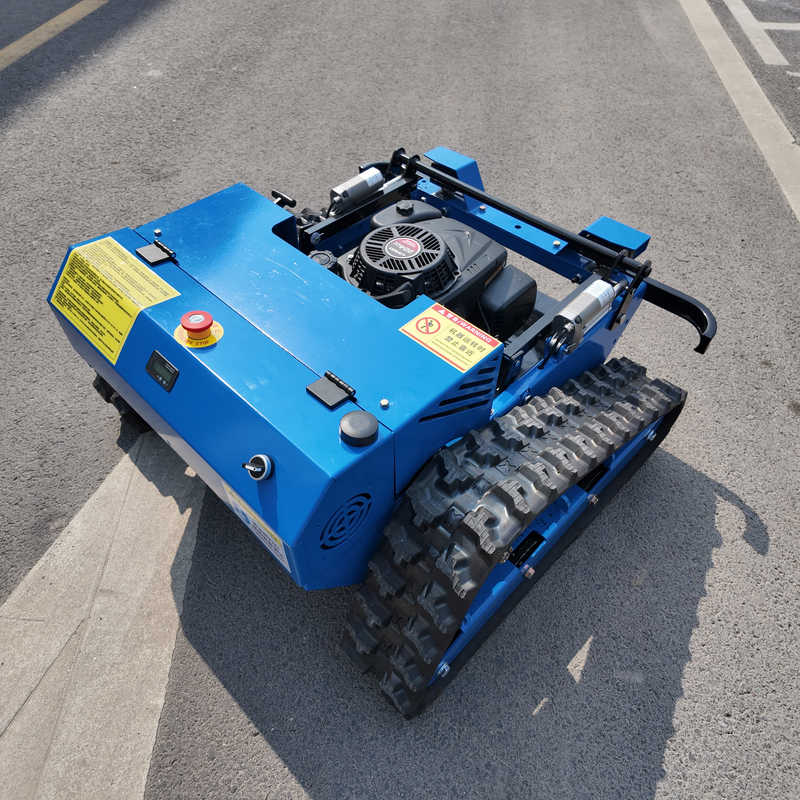
Các YM-550 Gasoline Lawn Mower with Brushless Motor provides a specific product reference for remote mowing. Its model and configuration should be the basis of the discussion. Do not transfer a navigation function seen on an unrelated mower to this product merely because both use a handheld device or electronic controls.
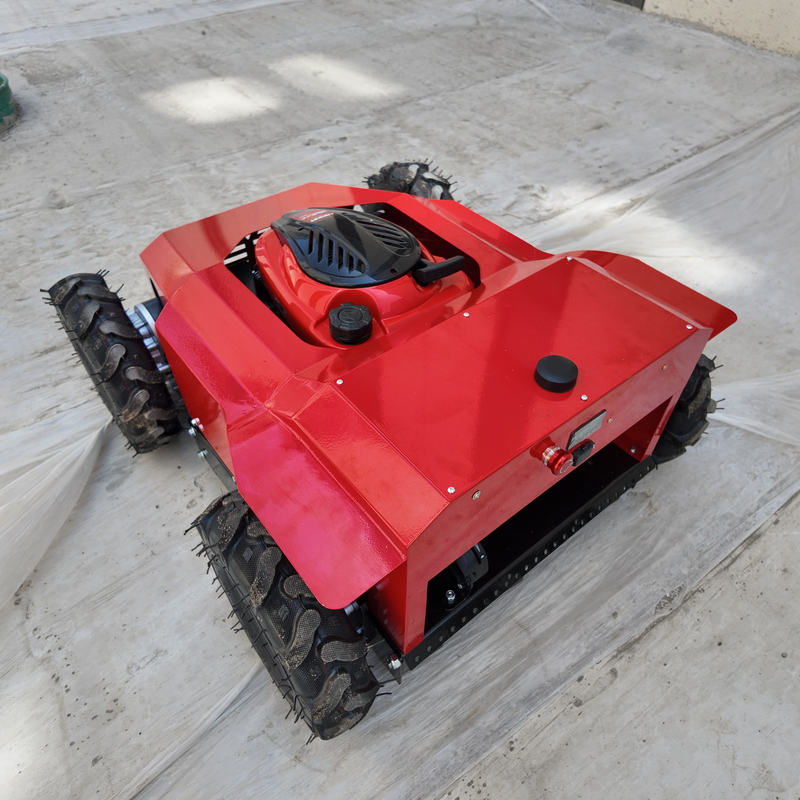
Similarly, the Máy cắt cỏ có bánh xe has a different machine layout from a crawler mower, while still being described through remote operation. Wheels versus tracks does not answer the autonomy question. Nor does gasoline versus battery power. Control mode needs its own explicit description.
When comparing quotations or product sheets, write a plain sentence for each machine: “A person steers continuously using the remote,” or a precise statement of its documented autonomous mode. If the supplier cannot explain the distinction clearly, request the manual before making assumptions about the intended use.
A convincing demonstration includes interruptions
A mower travelling a straight line on an empty area proves only a narrow part of its operation. For remote control, a demonstration should show normal steering, changes in direction and the specified stop procedure. It should make the operator’s responsibilities visible instead of editing them out of the presentation.
For an autonomous claim, the test should relate to the documented functions and the proposed site. Ask how a new obstacle, a changed working area or a loss of the positioning input is handled. Do not stage an unsafe experiment with people or obstacles; use the manufacturer’s approved demonstration method and explanation.
Các HSE machinery guidance provides useful background on choosing suitable equipment, understanding instructions and checking protective functions. Whatever the control method, those basic responsibilities remain part of using the machine. Automation should be understood through its stated capabilities and limits, not through the absence of a person in the video frame.
Make the decision around the work you want to hand over
If you want to avoid physically following a mower closely, manual remote control may address that need in an appropriate setting. If you want the mower to choose its own route, that is a separate requirement. If you want scheduled operation, self-charging or particular obstacle responses, list each one and ask for evidence separately.
This approach produces a clearer purchase decision and a clearer operating routine. It also prevents useful products from being judged against features they never claimed. The right question is not how automatic the marketing sounds, but which tasks the machine performs and which tasks remain with you.
Nếu bạn cần lời khuyên dành riêng cho mô hình, hãy gửi số đo trang web của bạn và mô tả công việc thông qua biểu mẫu bên dưới.
Is every remote control mower a robot mower?
No. Many are manually steered machines controlled through a radio handset. Robotic navigation must be a specifically documented capability of the model and mode being used.
Does electric drive mean autonomous operation?
No. Electric drive describes how movement is powered. A person can manually control an electrically driven mower just as they can control other types of machinery.
Can an automatic stop make a mower autonomous?
An automatic stopping function does not by itself provide navigation. It addresses a particular condition according to its design, while route decisions may still belong entirely to the operator.
What if a product is described as intelligent?
Ask which functions that word refers to. Request a precise explanation and the operating instructions rather than assuming it means route planning or unattended use.
How should I specify that I want autonomous mowing?
Describe the tasks you want automated, such as route following or scheduled cutting, and ask about setup, supervision and limits. Confirm each feature for the exact configuration supplied.