
이 가이드에서
A mini excavator can work between a house and fence when there is enough room for the complete digging movement, stable ground beneath it and a safe way to move excavated material. A passage wide enough for the tracks is not necessarily wide enough for digging. The rear of the machine, the elbow of the boom and the bucket all occupy different spaces as the upper body turns.
The useful question is therefore what work you want to do in that strip of land. Driving through to an open garden is one problem. Digging a drain along the house is another. Removing a deep foundation beside the fence is a third. Each needs a different assessment even when the same mini excavator for narrow access can physically enter the passage.
Draw the job as well as the passage
Start with a simple plan viewed from above. Draw the wall, fence, gate and the proposed excavation. Add projections such as window sills, pipework, fence post caps and outside taps. Include the space occupied by the gate when it is secured open. Features that are easy to step around can still obstruct a machine that must remain aligned with a trench.
Mark where the excavator would stand while digging the first part of the job. Then mark where it would stand for the next part. If the machine has to sit directly on the line being excavated, consider how it will retreat and how the last section will be completed. A plan that works only for the first bucket of soil is not a workable plan for the whole passage.
Do not forget the destination of the soil. In a confined side garden, there may be nowhere beside the trench to place it. A wheelbarrow route, a temporary stockpile or removal to another part of the property may be necessary. Those movements require space and coordination of their own. Keeping the machine small does not remove the volume of material that comes out of the ground.
Separate travel clearance from working clearance
For travel, the main dimensions include the machine’s complete width, its height and the length of the arrangement used to move through the passage. For work, the upper body and digging equipment need additional space. A counterweight can approach a fence while the bucket is moving toward the house. A boom can pass close to a gutter even though the cab fits beneath it.
There is no single extra width that makes every passage suitable. It depends on the machine’s geometry, the attachment, the required excavation and the arrangement of the site. Ask for an assessment based on the exact model rather than adding an arbitrary allowance to a brochure width. Where there is any uncertainty, a site visit is more useful than trying to settle the question from one measurement.
An offset boom can help position a trench away from the centre of the tracks. It does not mean the entire machine becomes narrower or that every movement can be made beside a wall. Likewise, a short tail reduces one part of the turning envelope; it does not prevent contact by the bucket, blade or boom. Treat these features as aids to a suitable layout, not replacements for one.
Use the published dimensions carefully
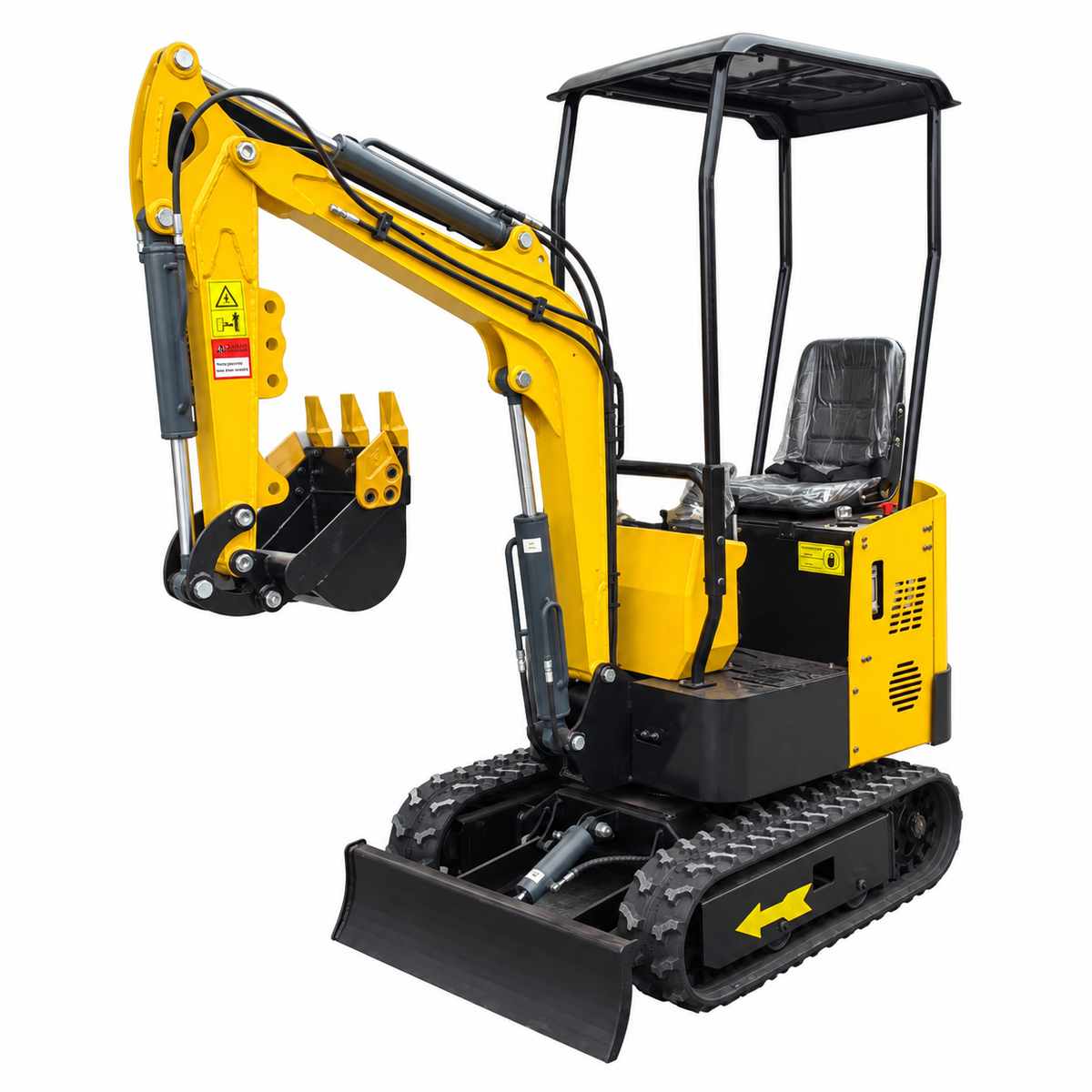
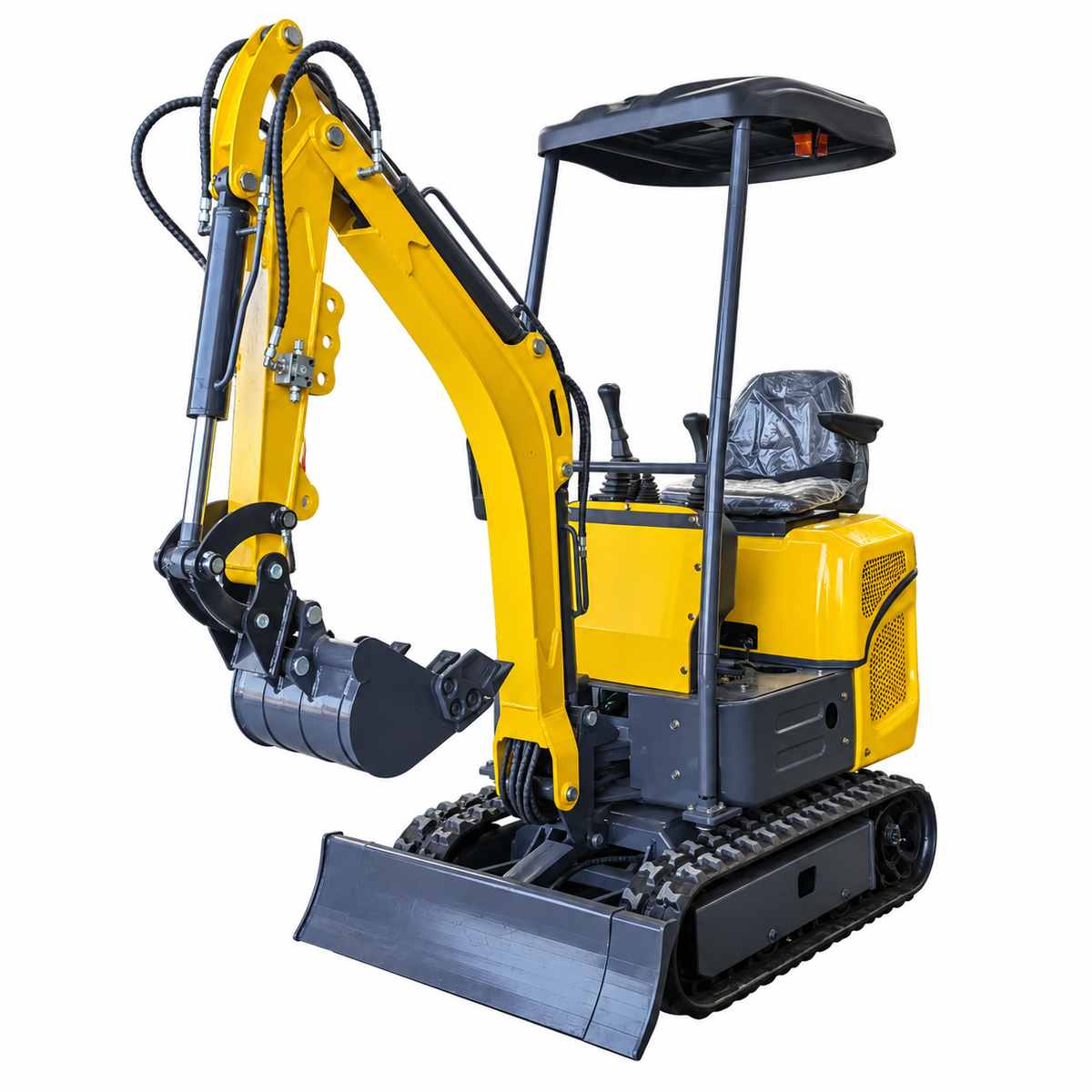
X-1000 X 1000 X 1000 X 1000 X 1000 X 1000 X 1000 X 1000 X 1000 X 1000 X 1000 X 1000 X 1000 X 1000 X 1000 X 1000 X 1000 X 1000 X 1000 X 1000 X 1000 X 1000 X 10 T10-1 기계 제어 미니 굴삭기 has a published overall dimension of 2800 × 940 × 2200 mm. That information can help screen a straight access route. It cannot establish the working clearance needed for a particular drain beside a house. The folded travel arrangement and the digging arrangement answer different questions.
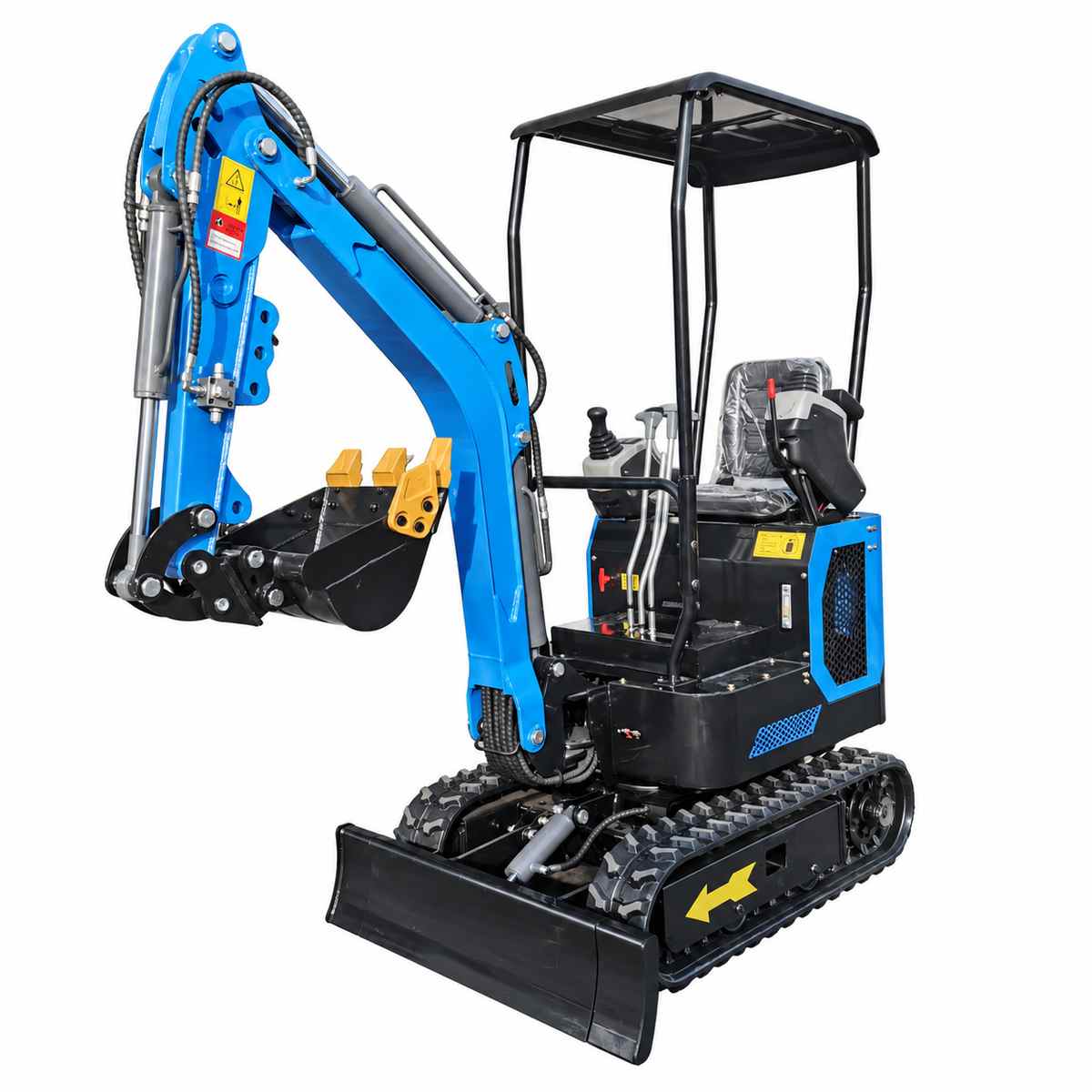
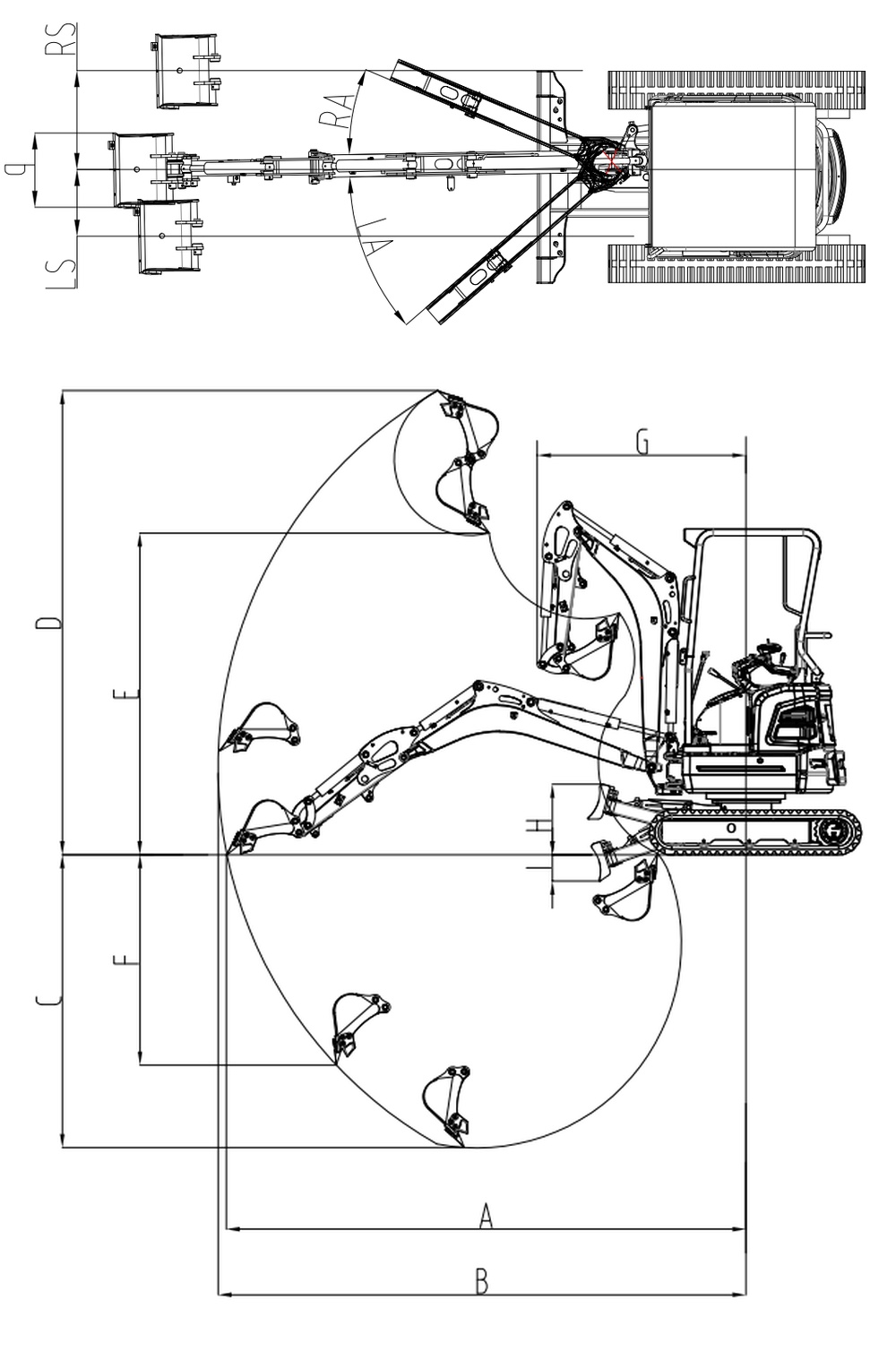
X-1000 X 1000 X 1000 X 1000 X 1000 X 1000 X 1000 X 1000 X 1000 X 1000 X 1000 X 1000 X 1000 X 1000 X 1000 X 1000 X 1000 X 1000 X 1000 X 1000 X 1000 X 1000 X 10 GW18 Mini Excavator page separately lists chassis width and rear counterweight swing radius. Those separate entries illustrate why the overall width alone is incomplete. Before relying on any variable width figure, confirm which configuration is supplied, whether it can travel in the narrower position and what position is required for the intended work.
Photographs are useful for recognising projections, but perspective can hide them. A rear three-quarter picture may make the boom look neatly tucked inside the tracks while a side view shows it extending well beyond them. Match photographs and dimension drawings to the same version of the machine and the same attachment.
| Question about the side passage | Information that helps answer it |
|---|---|
| Can the excavator enter? | Clear route width, travel height, transport arrangement and corners |
| Can it dig in the required position? | Boom offset, working range and planned machine locations |
| Can the upper body turn? | Counterweight movement and clearance from both boundaries |
| Can soil be removed? | Stockpile position and a route for barrows or other handling equipment |
| Can work continue as the trench grows? | Retreat route and a plan for completing the final section |
A wall introduces questions below ground
Working beside a house raises issues that cannot be settled by checking visible clearance. The location and condition of foundations, buried services and drains matter. A shallow-looking excavation may affect support to a wall, and a garden fence may have substantial concrete around its posts. Do not assume that the boundary above ground describes the structures below it.
Tell the contractor why the excavation is needed and show any available drawings or service information. They can determine what investigation and specialist advice are necessary before work starts. If the proposed work could affect foundations or retaining structures, obtain the appropriate professional assessment. Choosing a smaller bucket does not resolve the risk of removing supporting ground.
The ground beside a building is also often disturbed by earlier work. Backfilled service trenches, covered drains and paved inspection chambers may lie along the easiest route. A surface that carries people comfortably may not support a tracked machine. Identify these features during planning, including covers that will become hidden when protective surfacing is laid down.
Keep people out of the pinch points
A narrow strip between a solid wall and a moving excavator gives a person few places to escape. It should not become a shared route while the machine is moving or digging. Plan how the operator will be told to stop if someone needs access, and make sure children, visitors and pets cannot enter unexpectedly from a back door or open gate.
An assistant should not be expected to walk alongside the tracks or squeeze between the counterweight and fence. If assistance with positioning is needed, the contractor should establish a suitable place and a clear communication arrangement. The operator needs to stop if visibility or communication becomes inadequate. More shouting is not a substitute for a workable layout.
For wider background, the HSE excavator guidance provides an entry point to recognised excavator safety information. The exact machine’s operating instructions and a competent site assessment remain central to deciding whether the work can take place in the proposed space.
Make a plan for protecting the finishes
House walls and fences can be damaged without a dramatic collision. A hose can catch a fitting, loose soil can bury a vent and repeated contact can mark cladding. Record vulnerable features before work begins and decide how they will be protected. Protection should not hide hazards, obstruct ventilation or make the passage even tighter without that change being measured.
Consider the fence’s condition. Loose panels, rotten posts and leaning sections may be unable to withstand vibration or incidental disturbance. A boundary that is already unstable needs attention before machinery works close to it. Discuss access to neighbouring land where relevant; a machine’s physical ability to reach over a boundary is not permission to use the space beyond it.
For paving, ask how loads will be distributed and whether turns can be reduced. Protective mats need to suit the surface and machine. They do not make an unsupported slab or concealed chamber safe. A straight route over sound ground is generally easier to protect than a route requiring repeated turns in the same confined patch.
When another approach makes more sense
If the excavator can reach the work from an open end of the passage, it may not need to enter the tightest section at all. That possibility should be assessed against actual reach, visibility and the excavation sequence. Maximum reach on a specification sheet is not a guarantee of useful digging performance at every point along that reach.
Some small jobs are better completed partly by hand or with a different method after the accessible section is excavated. On other projects, temporary access changes may create a more practical layout. Compare the whole job, including restoration and material handling, rather than assuming the narrowest machine always gives the simplest result.
사이트의 landscaping and yard projects page can help frame the discussion around the task. Bring a plan, photographs from both ends of the passage and measurements of the proposed digging position. That gives the person assessing the machine enough context to explain whether it can travel, work and leave again.
모델별 조언이 필요한 경우 아래 양식을 통해 현장 측정값과 작업 설명을 보내십시오.
Is a passage wider than the tracks enough?
No. You also need clearance for the body, boom, bucket and the movements required to do the job. Track clearance establishes only one part of the access assessment.
Does zero tail swing make a side passage safe?
It can reduce rear overhang, but it does not remove the moving boom and bucket or the need to separate people from the machine. Check the actual model’s complete working envelope.
Can an excavator dig immediately beside a house wall?
That depends on the foundations, services, excavation depth and working arrangement. A competent assessment is needed before removing ground that may support the building.
Where does the excavated soil go in a narrow passage?
It may need to be moved out as work progresses. Decide the stockpile or removal route before starting so that soil does not block access or overload the space beside the excavation.
What should I send when asking whether a machine will fit?
Send clear width and height measurements, pictures of both approaches, details of corners and a sketch showing the excavation. Include drains, projections and any suspected buried structures.