
이 가이드에서
A remote control mower operator steers the machine, manages the cutting pass and keeps the work area under observation. The handset moves the controls away from the mower, but the decisions still belong to a person. Watching the route, responding to changing grass and stopping when someone approaches are active parts of the job.
That difference matters if you picture remote mowing as pressing a button and waiting. A remote control mower may reduce the need to walk immediately behind a machine or sit on it. It still needs attention throughout use, along with preparation before cutting and checks after stopping. Understanding those tasks makes demonstrations more useful and helps explain why two operators can get different results from the same mower.
The work begins before the engine starts
An operator first needs to understand the patch of ground. That involves more than looking across the grass from a gate. Loose wire, stones, concealed stumps, holes and discarded objects can be difficult to see until the vegetation is inspected closely. People using adjacent paths and vehicles parked nearby also affect where and when mowing can take place.
The operator decides what belongs in the cutting area and what should remain untouched. A young tree may need a protected space around it. An area of flowering plants may be intentionally left long. A drainage outlet can be obscured by grass but still need to remain accessible. Identifying these features avoids discovering them through contact with the mower.
Ground conditions matter as well. A machine may be able to move across a wet patch while leaving unacceptable ruts. A dry-looking bank can have a soft edge or hidden washout. The person responsible for the work must decide whether conditions suit the machine and the task. Remote control does not improve the strength of the ground beneath the tracks.
The handset requires its own familiarisation
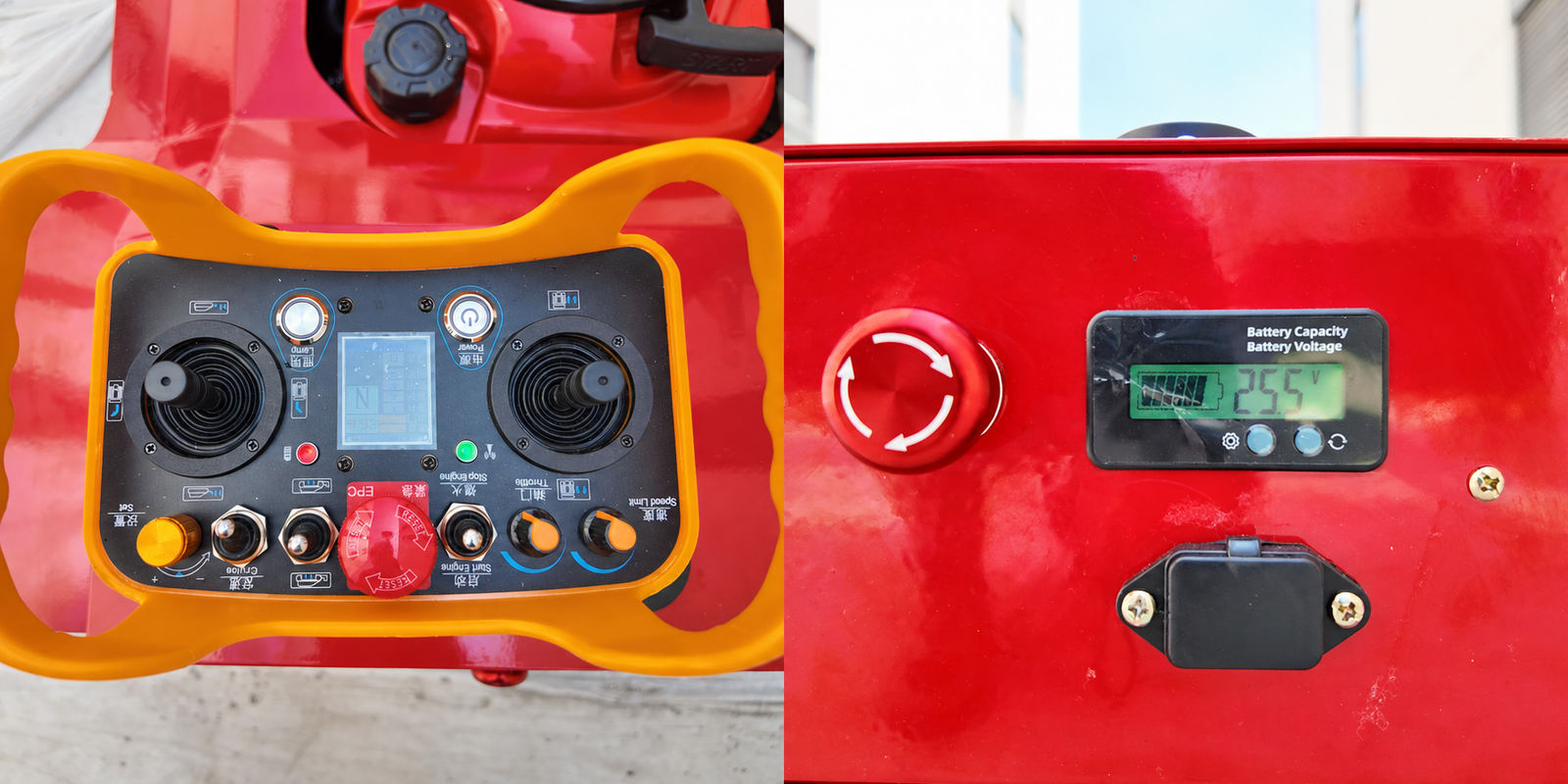
Remote controllers differ. Steering may be arranged through joysticks, levers or switches, while blade engagement and height adjustment may have separate controls. The operator needs to identify each function in the instructions for the actual machine. A familiar-looking controller does not establish that its switches behave like those on another mower.
Direction can feel different when the mower turns to face the operator. A movement that sends the machine toward its left side may appear to the person holding the handset as movement to the right. Practising the specified controls in a suitable clear area helps build that understanding before working near boundaries or obstacles.
Stopping functions need particular attention. The operator should understand the normal stopping sequence, the emergency stop and the specified response to lost communication. The existence of a radio link does not prove a particular fail-safe behaviour. That behaviour should be confirmed from the manual and checked through the manufacturer’s prescribed procedure.
Choosing a position is part of operating
The person holding the remote needs a position with a useful view of the mower and its route. Standing far away can make small obstacles, changes in ground level and approaching people harder to judge. An advertised radio range describes a communication capability under stated conditions; it is not a recommended operating distance for every situation.
The operator may need to relocate as the mower progresses. That movement should be planned so that attention is not divided between stepping over obstacles and controlling the machine. The operator should not choose a position in a likely debris path or where a machine could move toward them on a bank. Suitable separation and exclusion arrangements depend on the machine and site.
X-1000 X 1000 X 1000 X 1000 X 1000 X 1000 X 1000 X 1000 X 1000 X 1000 X 1000 X 1000 X 1000 X 1000 X 1000 X 1000 X 1000 X 1000 X 1000 X 1000 X 1000 X 1000 X 10 HSE guidance on using agricultural machinery safely stresses competence, pre-use checks and stopping before intervention. These principles explain why remote equipment still needs a trained person who understands both the controls and the work area.
Every cutting pass involves small decisions
As the mower enters heavier growth, the operator watches the result and the machine’s response. They may need to reduce travel speed, change the amount of grass taken in a pass or reconsider the selected cutting height. The appropriate response comes from the manual and the condition encountered, rather than from trying to maintain the same pace everywhere.
Overlap also requires judgement. Too little can leave standing strips; excessive overlap wastes movement and may repeatedly disturb the same ground. Grass bent by the tracks may appear cut from one viewpoint while standing tall from another. Looking at the completed pass from a suitable position helps distinguish an uncut strip from a difference in how the grass is lying.
Turns can be as important as straight runs. Tight repeated turning may scuff a lawn, and the machine’s outer edge can sweep closer to a tree than the operator expects. A crawler mower that can turn within a small space does not need to make its sharpest possible turn at every row end. The layout of the passes should suit the ground and the desired finish.
| Part of the session | What the operator is deciding |
|---|---|
| Before cutting | Whether the site, weather and machine condition suit the job |
| Entering the first pass | Direction, cut height and a manageable starting pace |
| Moving through changing growth | Whether speed, overlap or the cutting approach needs adjustment |
| Near boundaries | Where to stop and what should be finished by another method |
| When interrupted | How to stop and keep others clear before restarting |
| After mowing | Whether the result is acceptable and what maintenance is needed |
A clean finish starts with realistic expectations
Different mowers and cutting systems produce different finishes. A machine intended for rough vegetation should not automatically be judged against a fine lawn mower used on regularly maintained turf. The operator needs to know whether the aim is an ornamental lawn, a usable orchard alley or controlled vegetation on a larger site.
Long grass also behaves differently from short, dry grass. A heavy layer of cut material may need further attention rather than another immediate pass over the top. The RHS lawn mowing guide discusses adjusting mowing practice to the condition and purpose of the lawn. Its lawn-care advice should be applied to turf situations rather than treated as a specification for rough-ground machines.
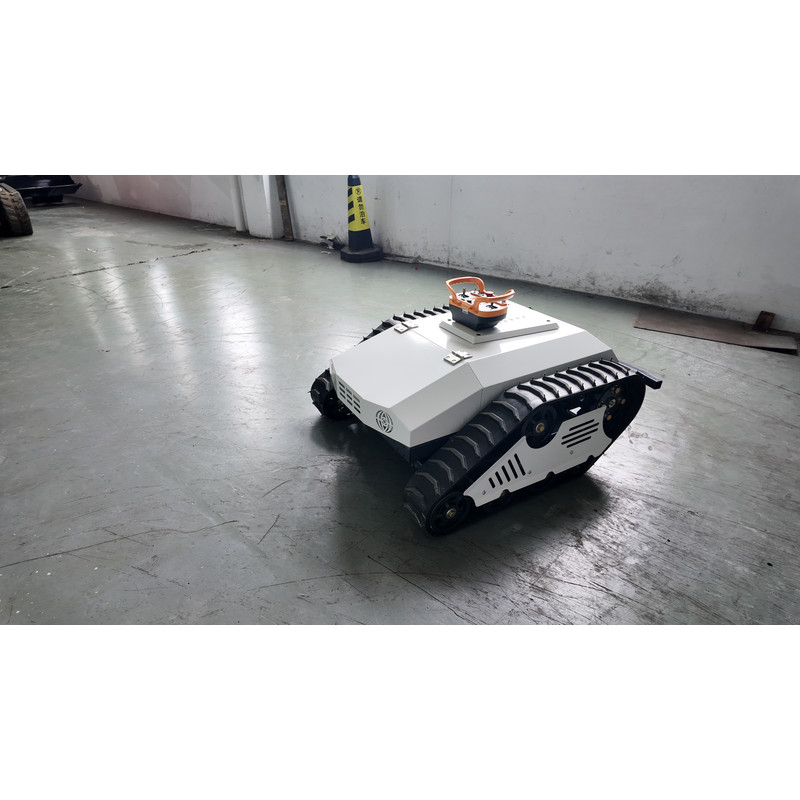
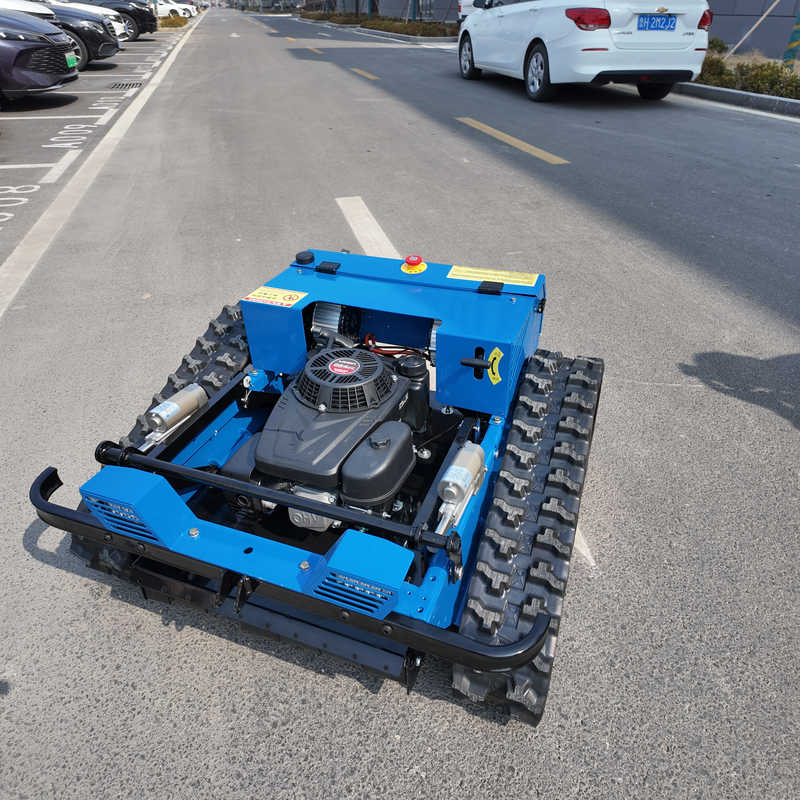
X-1000 X 1000 X 1000 X 1000 X 1000 X 1000 X 1000 X 1000 X 1000 X 1000 X 1000 X 1000 X 1000 X 1000 X 1000 X 1000 X 1000 X 1000 X 1000 X 1000 X 1000 X 1000 X 10 YM-550 Gasoline Lawn Mower with Brushless Motor is one example of the remotely controlled mowing products in the range. The product page is a starting point for understanding the model. A demonstration should then show its controls and the finish in vegetation relevant to your work, rather than simply showing it driving on an open surface.
Stopping is an operating skill too
If a person or animal enters the work area, the operator needs to respond through the agreed stopping procedure. They should not rely on the other person recognising the mower’s direction or understanding that it is remotely controlled. From a distance, the machine may appear unattended, which makes clear arrangements around access particularly useful.
An unusual sound, a damaged guard or a suspected obstruction also calls for a stop and assessment. Looking beneath a deck while the machine remains capable of starting is not a shortcut. Before inspection, adjustment or clearing material, follow the specified isolation procedure and wait for moving parts to stop. The remote handset alone should not be assumed to isolate every source of energy.
After an interruption, the operator checks the surroundings again before restarting. The person who caused the first stop may have moved, while another person may have entered from a different direction. Restarting is a new decision about the current scene, not simply resuming the last command.
What to watch during a demonstration
Ask to see the full sequence: inspection, startup, a controlled first pass, a turn, a normal stop and shutdown. Observe where the operator stands and how they keep the machine in view. A short video of high-speed travel reveals little about mowing quality or the attention needed to work around real obstacles.
If the mower will work in an orchard, include the spacing of the trees, irrigation fittings and the condition between rows in the discussion. The site’s orchard and farm maintenance page helps connect equipment selection to these everyday tasks. The operator’s workflow should make sense for the actual site, including the parts that the mower cannot reach.
Finally, discuss daily care. Cleaning, checking for damage and recording an emerging fault belong to the work, even though they happen after the visible cutting ends. A useful comparison of mowing methods includes those tasks, along with transport and preparation. Remote operation changes where the person works; it does not remove the work around the cutting pass.
모델별 조언이 필요한 경우 아래 양식을 통해 현장 측정값과 작업 설명을 보내십시오.
Can the operator leave while a remote mower cuts?
Do not assume so. A manually controlled remote mower requires active supervision and steering according to its instructions. Autonomous operation is a separate capability that must be specifically documented.
Does a longer remote range make mowing easier?
Not necessarily. The operator still needs to see the machine, ground and people around it clearly. Practical working distance depends on visibility and the manufacturer’s instructions.
Is the remote handset the same on every model?
No. Control layouts, modes and stopping functions can differ. Learn the controls of the exact machine before using it, even if another remote mower feels familiar.
Who clears a blockage under the mower?
A competent person should do so only after the machine has been stopped and isolated as its instructions require. Blades and stored energy can remain hazardous after travel stops.
What should a first demonstration include?
It should explain preparation, controls, stopping, mowing technique and shutdown. A relevant cutting test is more informative than a demonstration of travel alone.